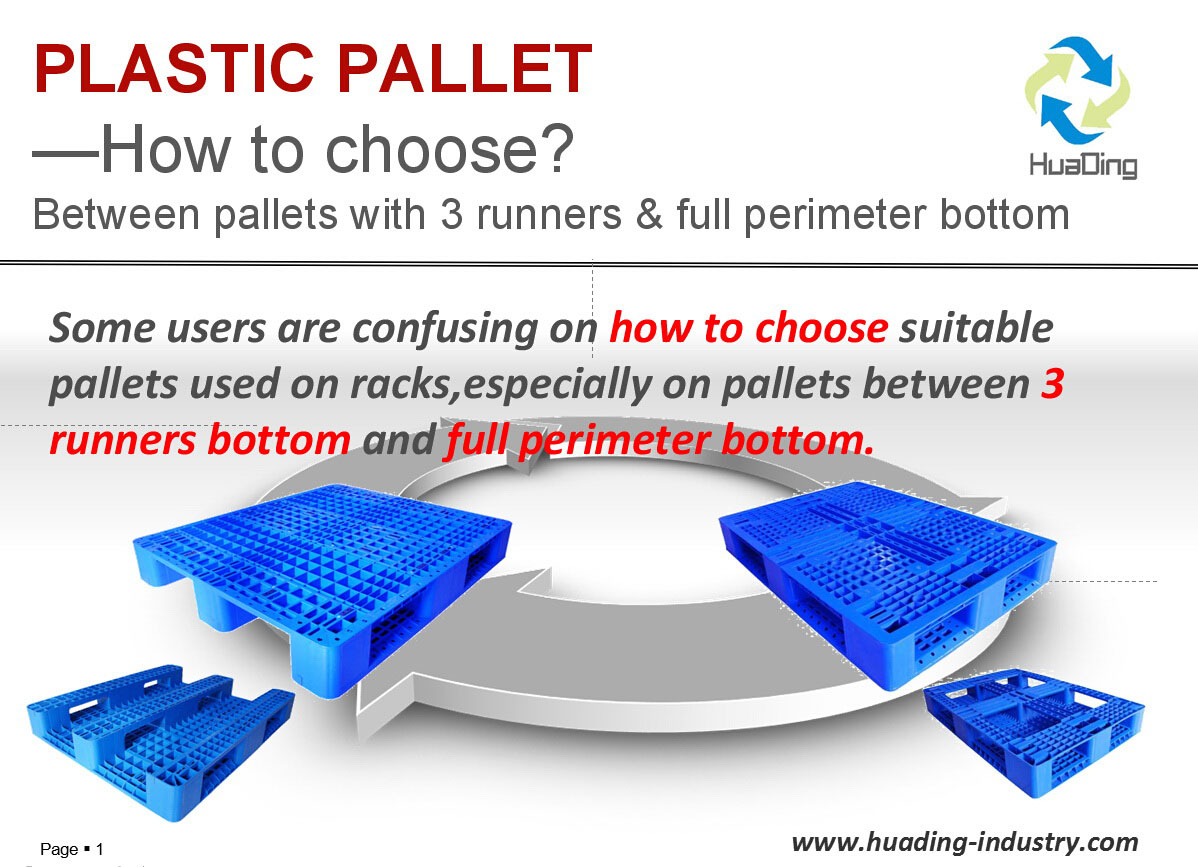
Plastic pallet containers are widely used in warehousing, manufacturing, agriculture, food processing, and industrial logistics — but choosing the right model requires more than comparing size and price.
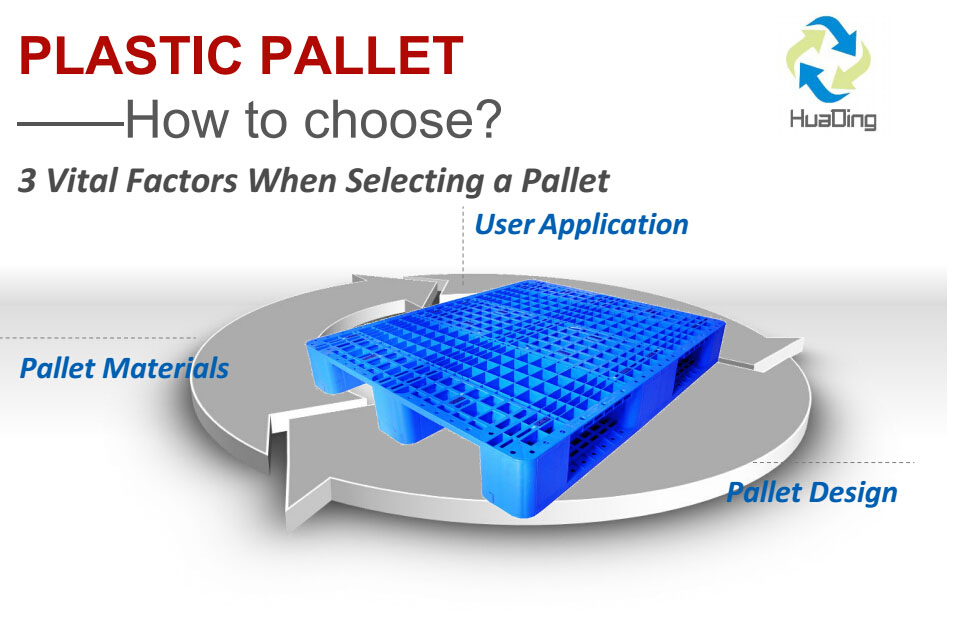
This guide covers the key factors buyers should evaluate before ordering: product type and load weight, fixed versus collapsible structure, solid wall versus vented wall design, stacking requirements, forklift handling method, material selection, hygiene needs, and return logistics.
A quick selection table helps match container type to application, and a list of six common purchasing mistakes highlights where buying decisions most often go wrong.
For buyers ready to request a quotation, the guide also outlines what product and logistics information should be shared with the supplier to receive a practical recommendation — rather than a generic price list.
Read More »