


- Export shipment
- Transit, handling and delivered cost
- Warehouse reuse
- Support conditions and repeated handling
- Selection basis
- Confirm both stages before ordering
Can a one-way export pallet also work as a reusable warehouse pallet? The answer depends on what happens after delivery. Confirm the load, handling method and storage support at both stages before comparing pallet weight and purchase price.
A lighter, lower-cost pallet often gets assigned to export, while a heavier structure gets assigned to warehouse use. Freight cost and container efficiency make that split look logical. But it can leave the receiving warehouse's requirements out of the decision.
The assumption that needs checking: what happens after arrival?
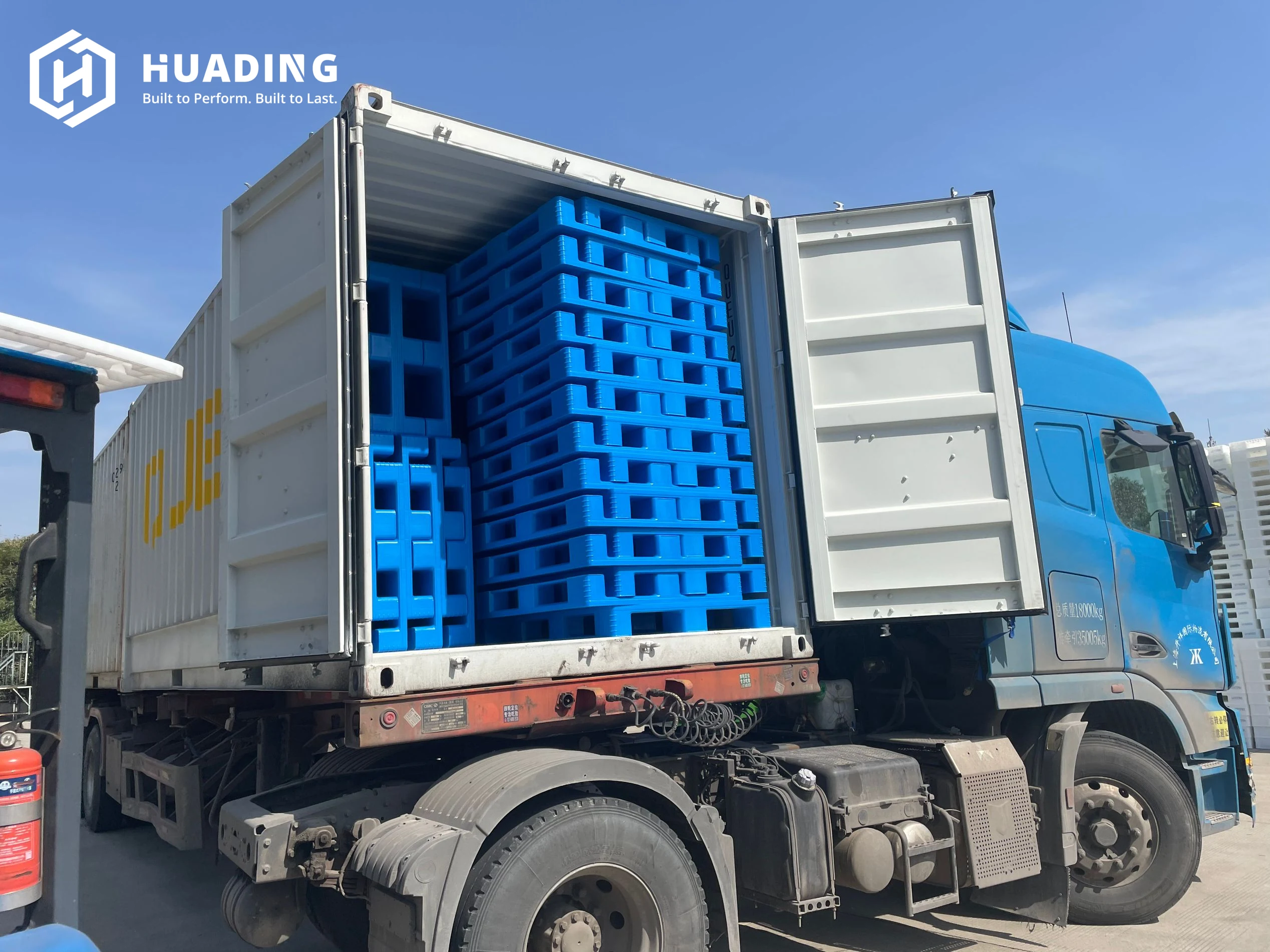
An export pallet may move straight into the receiving warehouse's own storage or handling cycle. A structure selected for the shipment must then meet any additional demands from rack-beam support, repeated forklift handling or extended storage.
A pallet intended for one-way export does not automatically have to be the lightest possible structure. The handling and storage conditions at the destination matter alongside the export leg.
Consider an illustrative sourcing scenario: a procurement team compares quoted price and empty-stack height, then chooses the lowest-cost option for the export journey. The shipment reaches the customer without a problem. At the warehouse, the team discovers that the pallet has no confirmed rating for the rack-beam arrangement in use. Transferring the goods to another pallet adds work and cost that were missing from the original comparison.
Ask the destination question first. Confirm what happens to the pallet after it leaves the dock, then choose a structure that can meet the required conditions at both stages.
Procurement and warehouse operations need to confirm these requirements together before the order is placed. Checking rack compatibility only after delivery moves a selection question onto the warehouse floor.
Why shipment acceptance does not establish warehouse suitability
Three gaps can make a pallet suitable for one stage and unsuitable for another.
Static, dynamic and rack load describe different conditions
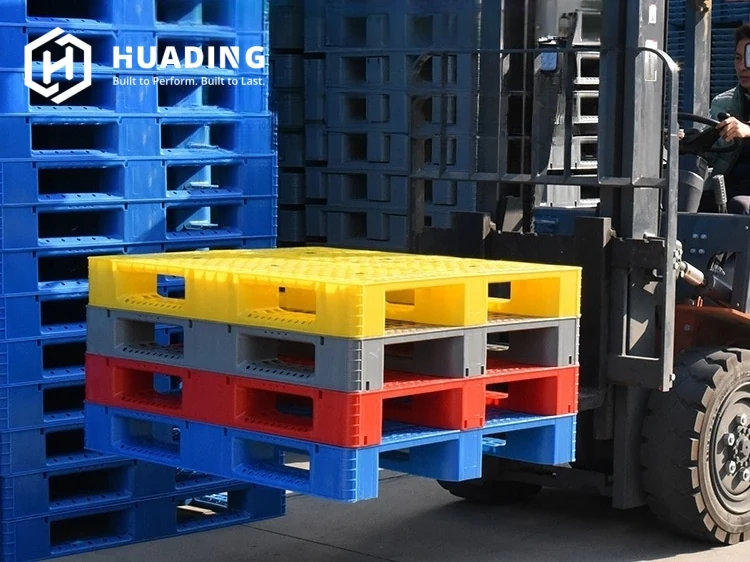
Weight supported across a warehouse floor follows a different load path from weight carried through rack beams. Forklift handling adds another support condition. A single “maximum load” figure does not tell the buyer which situation it describes.
Ask which load type, support arrangement and load distribution each rating covers. A shipment inspection or an uneventful journey does not establish a rack-load rating.
Technical reference: ISO 8611-1:2025 — flat pallet test methods groups evaluation into tests for nominal loads, maximum working loads and comparative durability. The standard also notes the value of field testing specific pallet designs. This reference does not claim that any HUADING model is certified to the standard.
Stackable and nestable do not mean rackable
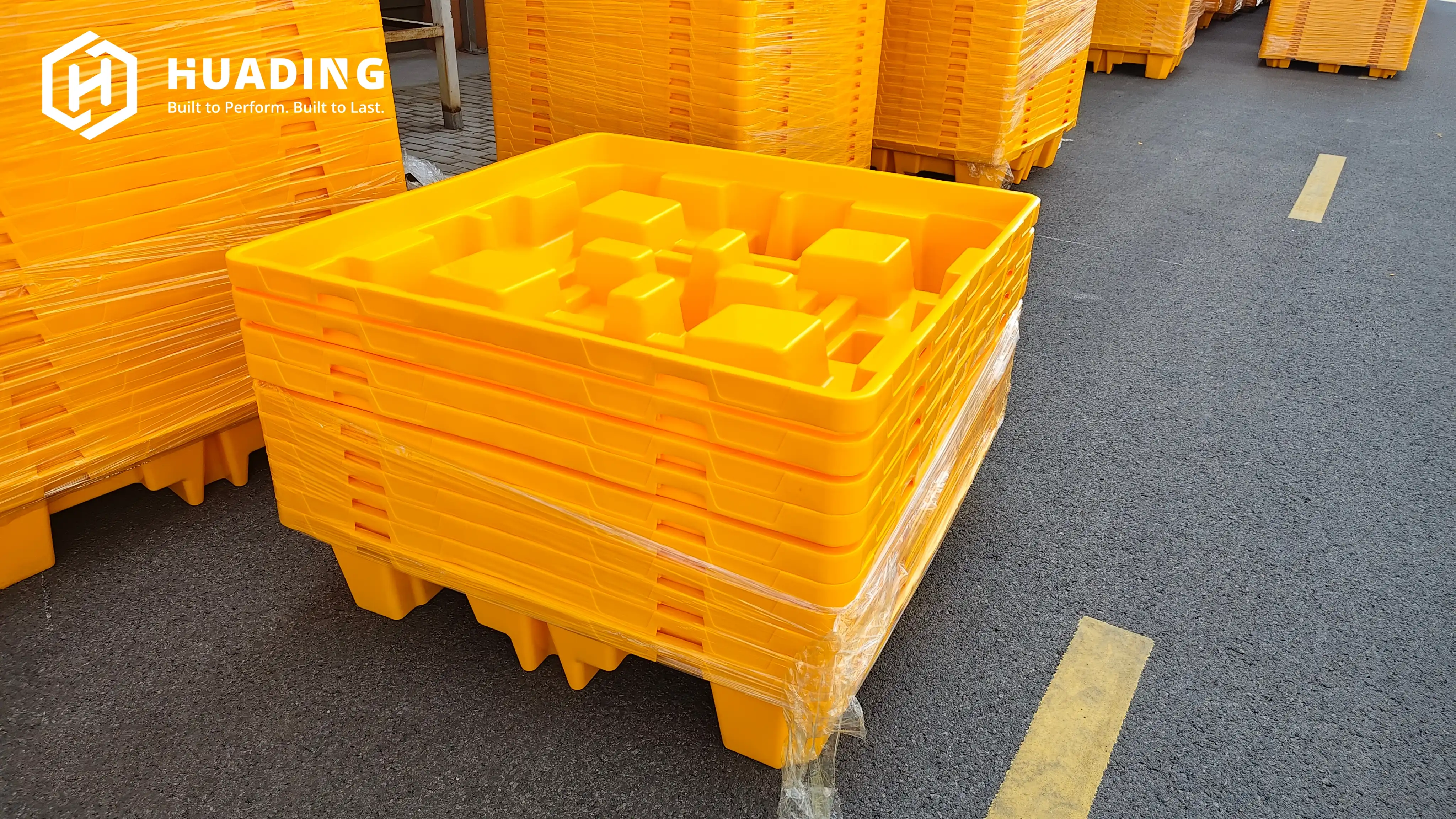
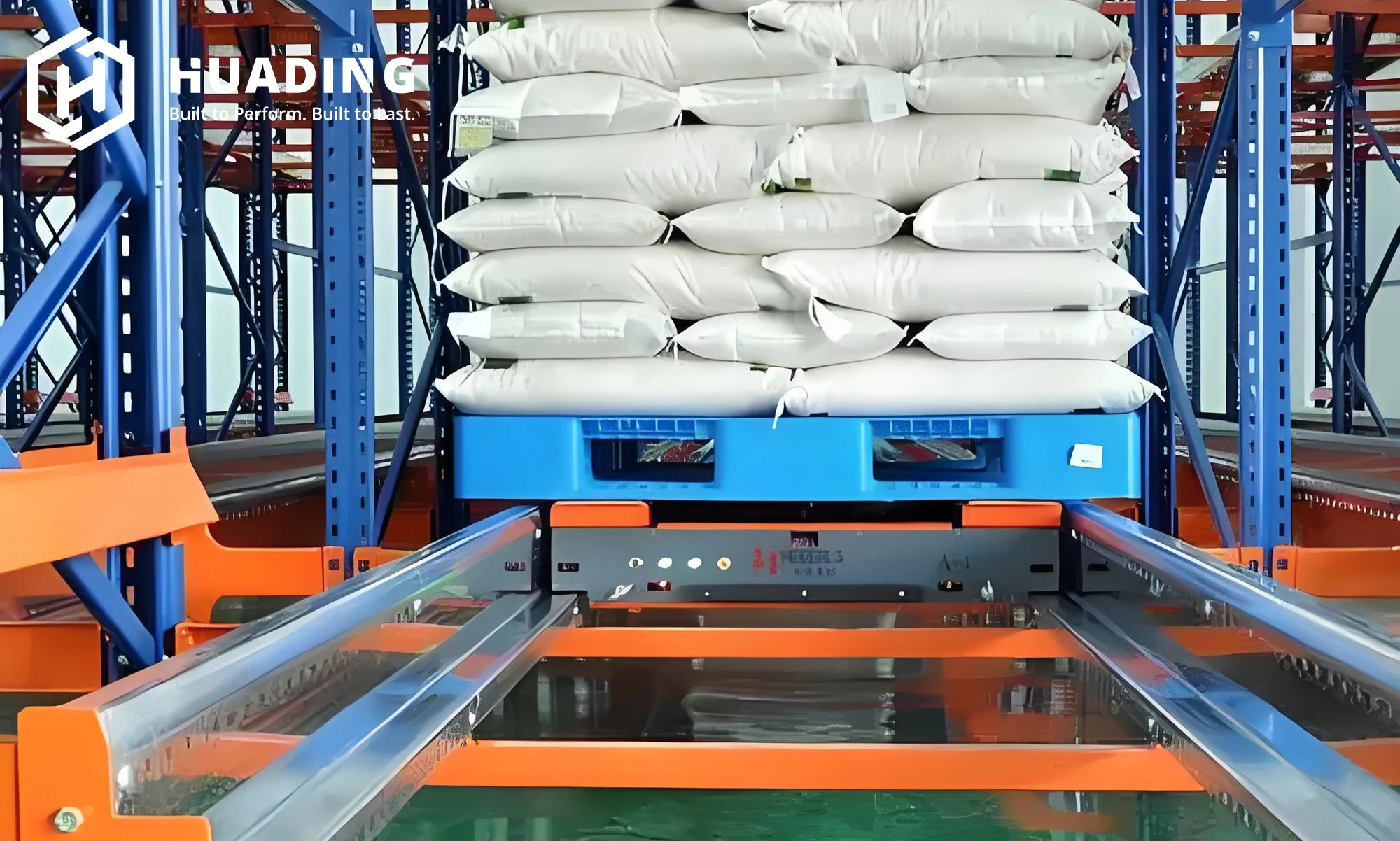
A pallet that stacks or nests efficiently when empty solves an empty-storage problem. That feature does not show whether the loaded structure can bridge the receiving warehouse's rack beams.
Review empty-space efficiency and loaded rack support as separate selection inputs.
Export and warehouse risks need separate checks
For the export stage, check container fit, forklift entry direction and handling at loading and unloading. For warehouse use, add storage support, repeated handling, deformation and damage over the intended duty cycle.
These checks may belong to different internal teams. Put both sets of requirements into the same purchasing brief so neither stage is overlooked.
Can one pallet actually do both?
The answer depends on the destination workflow and the verified specification of the selected pallet.
Scroll horizontally to see all columns.
| After arrival | Selection priority | Direction |
|---|---|---|
| One-way, no further use | Shipment load, transit protection, handling fit and delivered cost | A standard export pallet may be appropriate once shipment requirements are confirmed. |
| Ground storage, limited reuse | Floor support, dynamic load and forklift fit | Confirm whether the same pallet meets the conditions at both stages. |
| Rack storage after export | Rack-load rating, beam support and load distribution | Check structural and load data for the actual rack arrangement before ordering. |
| Repeated, long-term reuse | Handling frequency, durability and wear tolerance | Evaluate the structure for the intended repeated-use cycle, including routine inspection. |
These are sourcing directions, not performance claims about a specific pallet model. Reuse at one destination is also different from a closed-loop pooling system that returns pallets across companies.
A shared pallet can be considered when its verified load and handling data cover both the shipment and the destination use. If the conditions differ, compare the cost of a suitable common specification with the handling and replacement work required by separate pallets.
What to confirm before placing an order
What will happen to the pallet at the destination?
Confirm whether it will be discarded, stored on the floor, placed on racks or used for repeated handling. Include the expected storage duration and handling frequency.
Which load conditions does the supplier's data cover?
Request static, dynamic and rack-load information separately where applicable. Share the cargo footprint, load distribution and weight so the data can be reviewed against the actual use.
Does the base structure match the equipment?
Check forklift and pallet-jack access, entry direction and any conveyor requirements. For racking, share the beam arrangement, clear span and support direction before a model is selected.
What is the cost across both stages?
Compare suitable options on purchase price, shipment space and the work needed after arrival. Include any transfer, extra-pallet purchase or preparation that the selected route requires.
How HUADING helps buyers select the right pallet
At HUADING, we help customers select standard plastic pallets based on the conditions they will face during shipment and after delivery. That means reviewing shipment requirements, load conditions, forklift handling and the receiving warehouse's storage setup before recommending a structure.
Some export shipments can use a lighter specification; others need a structure suitable for further warehouse handling. The goal is to find a standard specification that fits the application without adding unnecessary structural cost.
One pallet, two stages, and potentially different requirements: check both before deciding whether the same pallet can serve the full process.
Evaluating pallets for export and warehouse reuse?
Share your shipment and destination requirements. Our team can help identify standard specifications to consider for your application.
Discuss your pallet requirementsUseful details for our team
- Required pallet size and cargo weight
- Cargo footprint and load distribution
- Forklift, pallet-jack or conveyor handling
- Floor or rack storage, support arrangement and duration
- Expected reuse, quantity and delivery destination