


Your warehouse just went through a major automation upgrade. The pallets and pallet containers moving through it are the same ones you were using three years ago. Is that actually a non-issue?
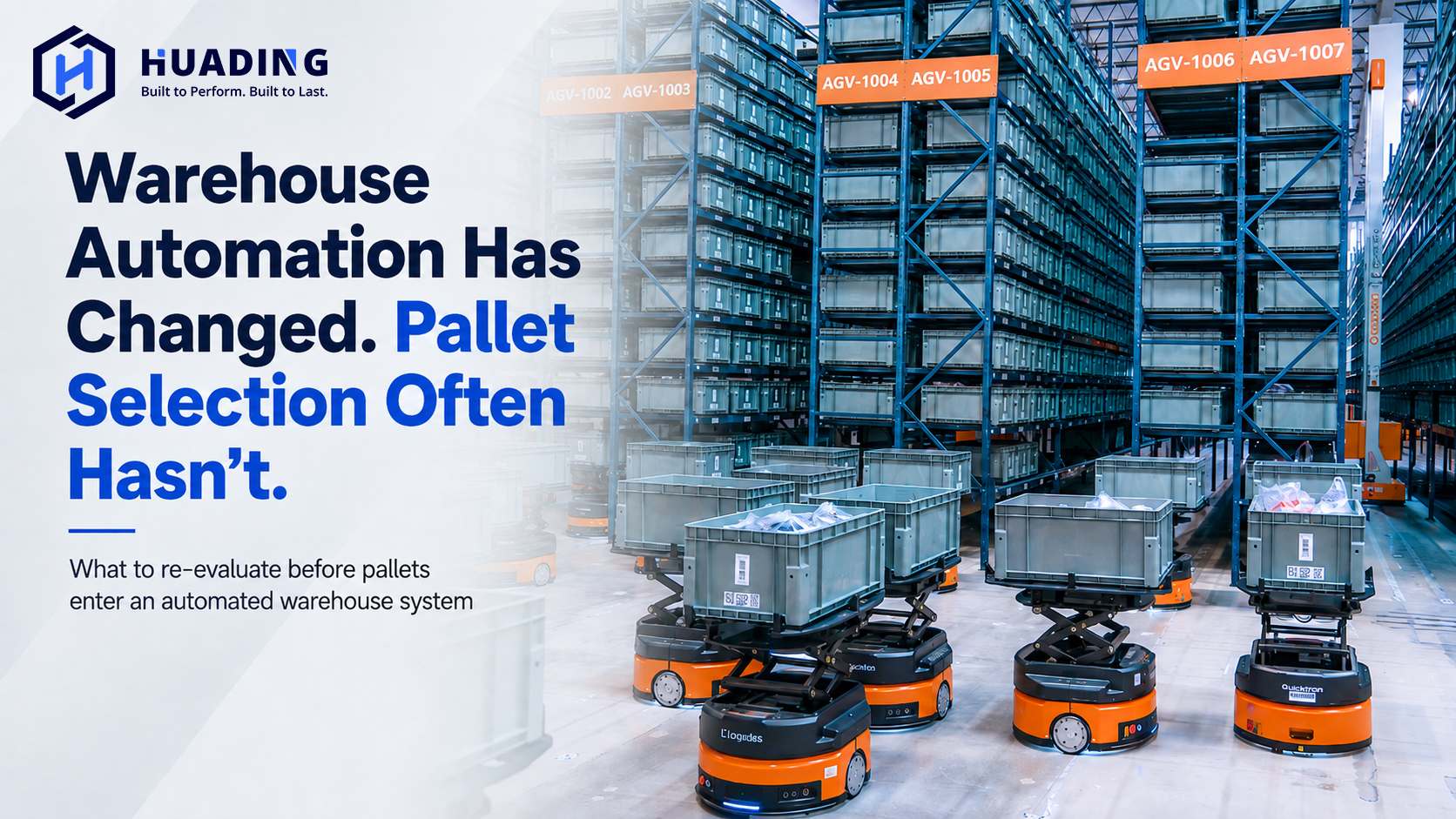
For many operations, the answer may be simple: nobody re-evaluated the load carriers after the handling system changed. Warehouse automation — including AS/RS, pallet conveyors, AGVs, AMRs and automated transfer systems — continues to reshape how goods are stored, moved and identified. But the pallets and pallet containers moving through those systems may still be selected using much older purchasing logic.
The Working Reality
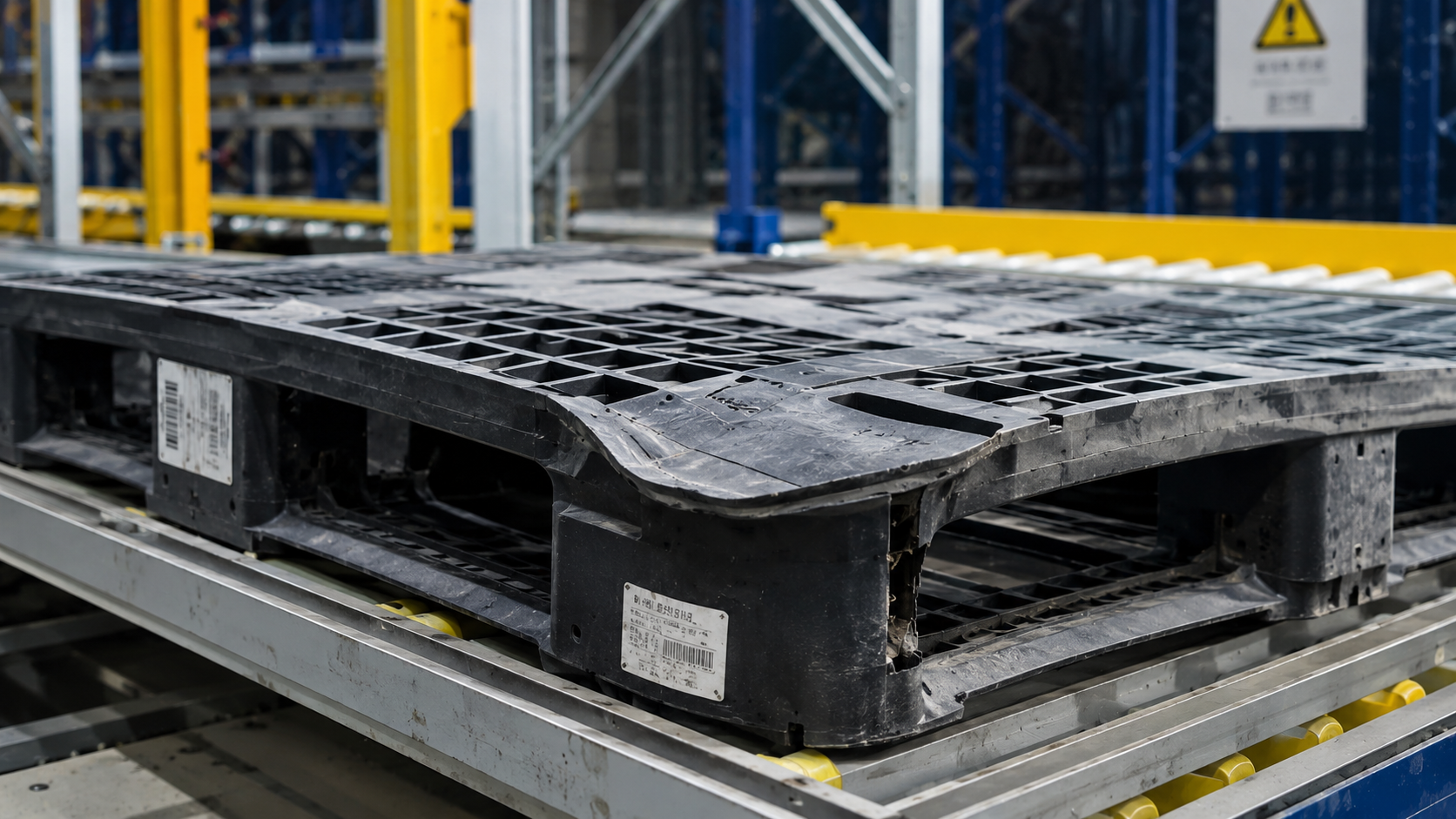
In many operations, automation equipment and packaging load carriers are still evaluated through separate purchasing processes — often by different teams and on different timelines. The automation project receives its own equipment specifications, integration requirements and commissioning process. Meanwhile, pallets and pallet containers may continue to be reordered based on an existing model, familiar supplier or traditional specification.
A warehouse operator can compensate for a slightly different pallet position, locate a label manually, or adjust fork alignment. Small variations are absorbed through human judgment.
Automated equipment does not make those adjustments in the same way. Dimensions, bottom structure, stacking geometry or identification placement that caused no problem manually can become significant when equipment relies on repeatable positioning.
Why This Matters: Three Areas Easy to Overlook
Automated systems depend on repeatable conditions. A pallet or pallet container has to do more than physically fit into the warehouse — it also needs to interact predictably with the equipment that moves, supports, stores and identifies it.
An automated vehicle aligning to a defined pickup position, or a transfer system designed around a specific footprint, has less room for unexpected variation. Nominal dimensions alone are not enough — the question is whether critical dimensions and interfaces stay sufficiently consistent from unit to unit and batch to batch.
Runner geometry, fork-entry openings, support surfaces and stacking interfaces can all affect how a unit behaves during automated handling and storage. A pallet that performs normally with a manually operated forklift may not interact the same way with a conveyor, transfer point or automated storage system.
A barcode or label position that works for a warehouse employee is not necessarily where a fixed scanner expects to find it. Once identification becomes automated, scan direction, label position and placement consistency all become part of the packaging evaluation.
How Huading Approaches This
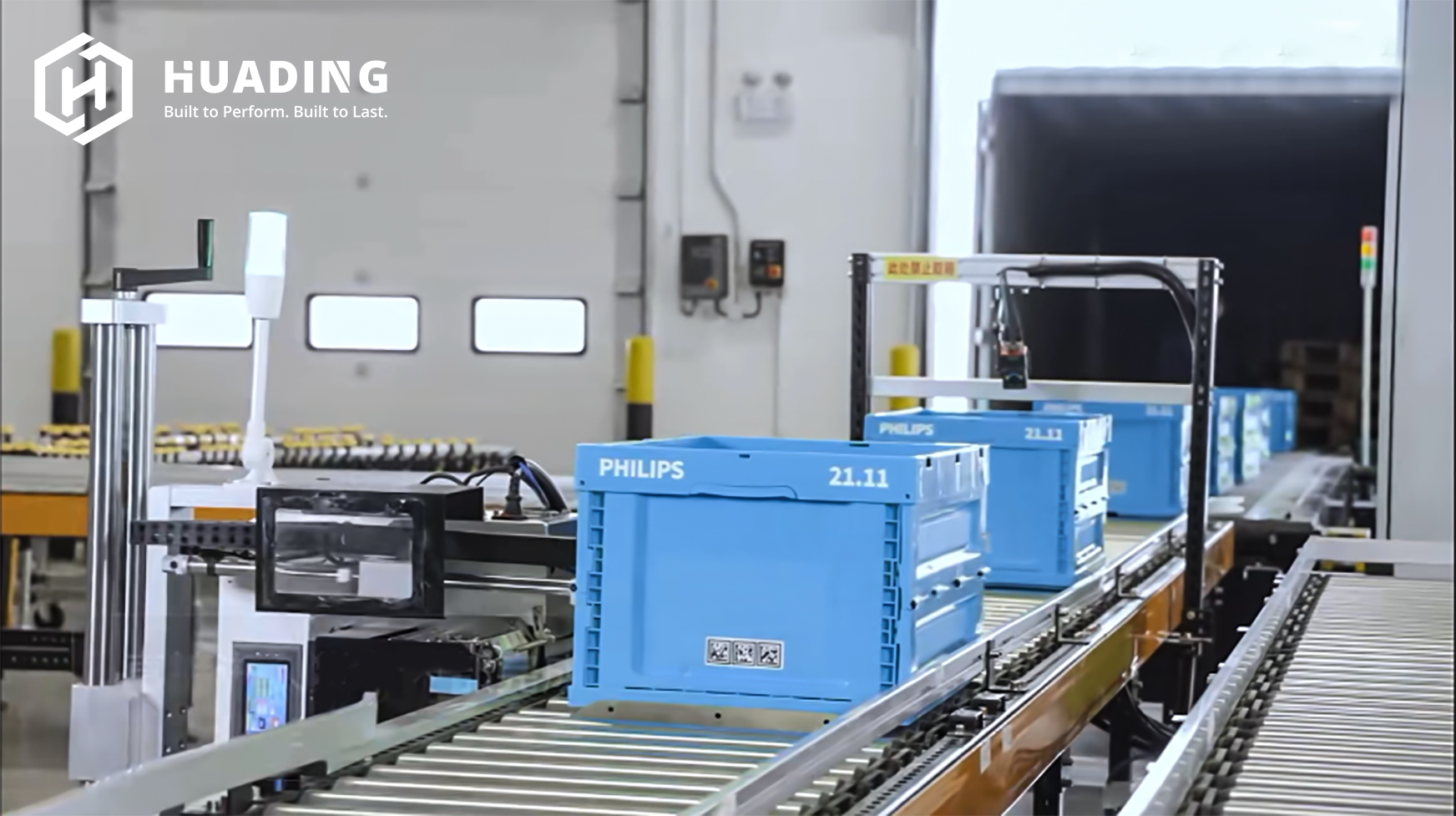
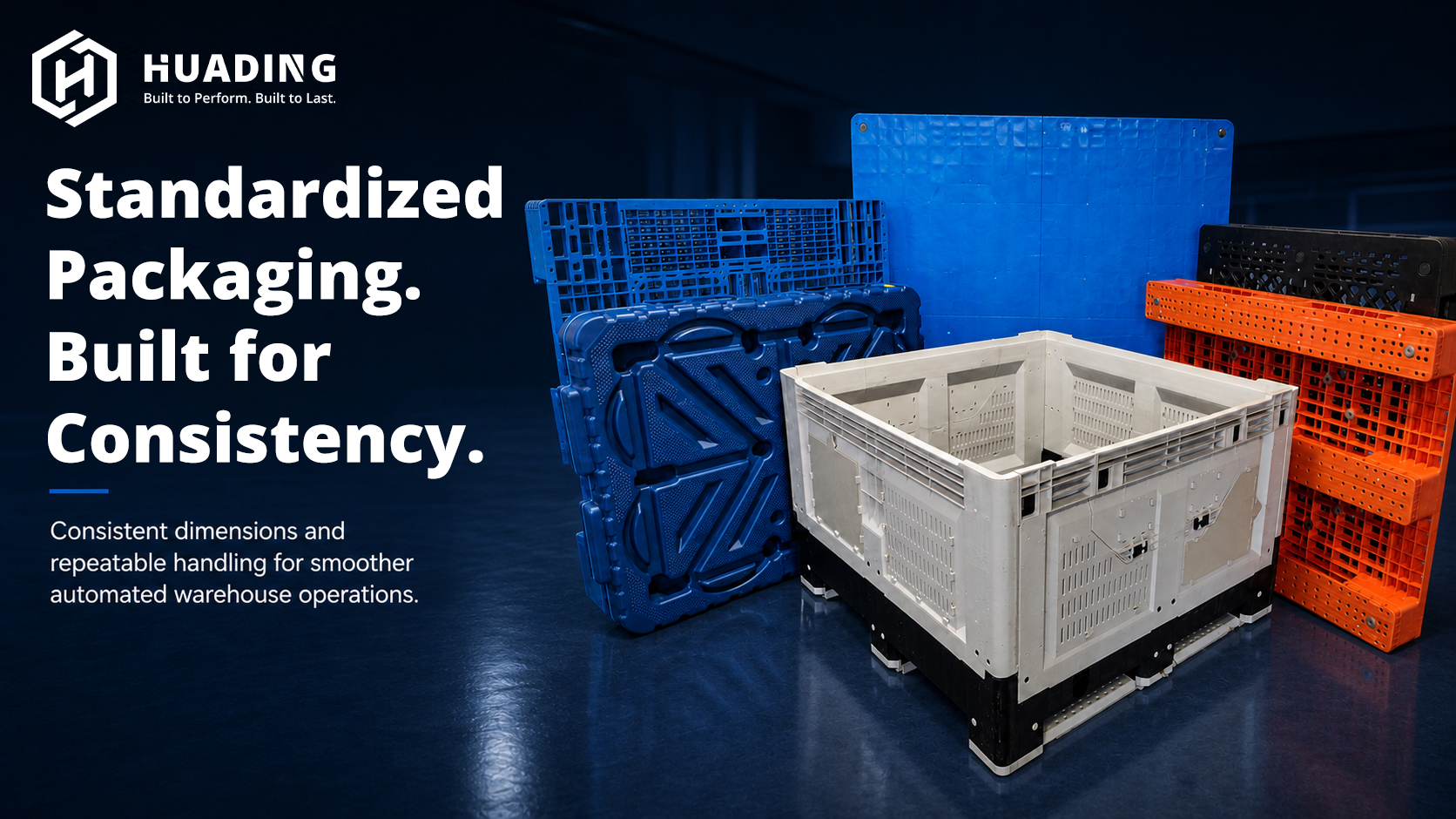
Huading supplies standardized plastic pallets and pallet containers for warehousing, logistics and export packaging, including widely used footprints across different markets. For automation-related applications, standardization matters because the pallet is no longer interacting only with people and forklifts — it is also interacting repeatedly with equipment that depends on defined dimensions and physical interfaces.
What Should Change in the Selection Process
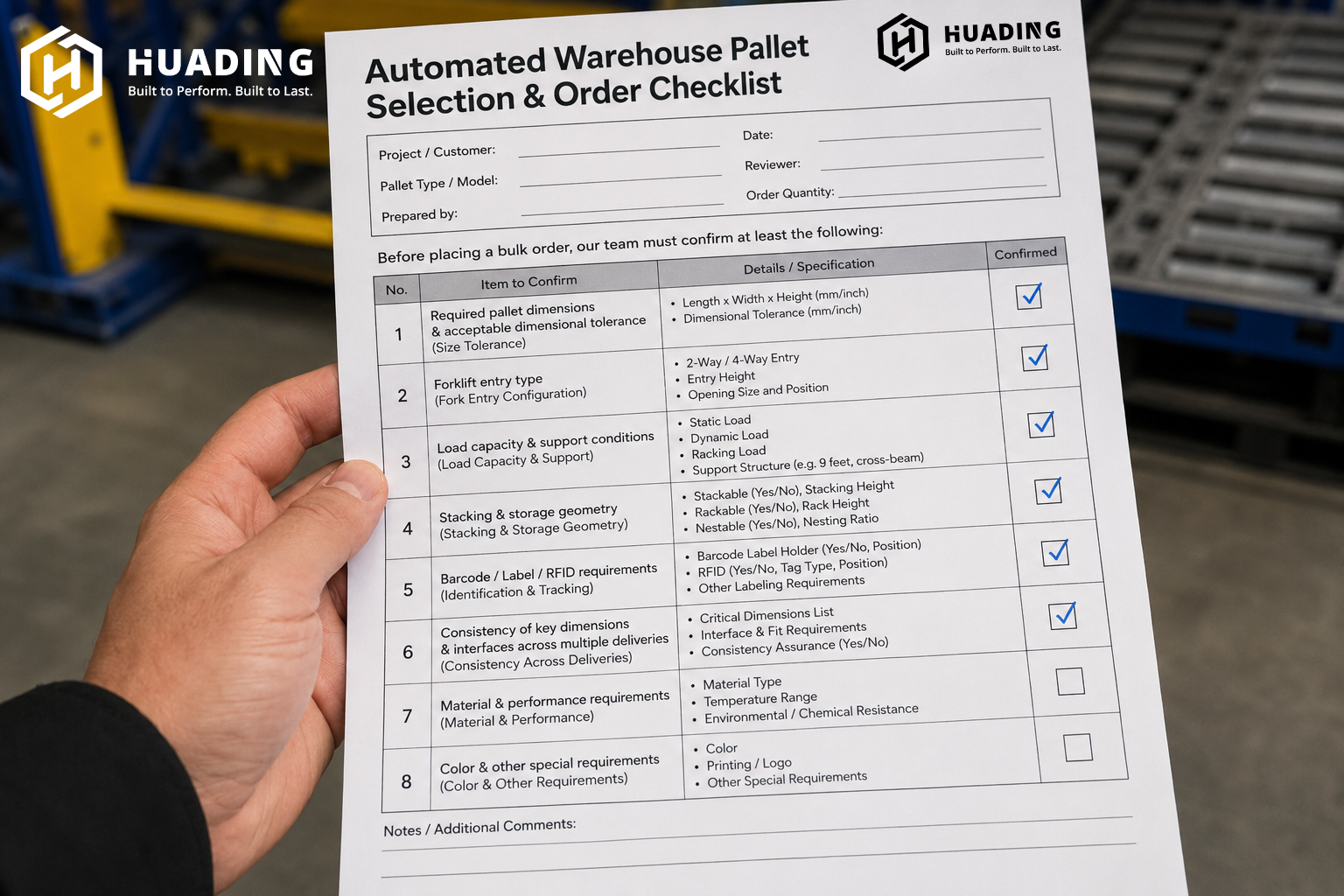
When a warehouse automation project is being planned, pallet and container requirements should be discussed at the same stage as equipment requirements — not as a separate packaging conversation after the system has already been specified.
Before placing a bulk order, teams should confirm at least:
The Bigger Question
The real issue is not whether warehouse automation has become more advanced. It clearly has. The question is whether the criteria used to select the packaging moving through that warehouse have advanced with it.
If the handling system changes, the pallet selection process should be re-evaluated too.
When your team plans a warehouse automation upgrade, is pallet and container compatibility included from the beginning — or does that discussion start only after the automation equipment has already been selected?
Selecting Pallets for an Automated Warehouse Application?
Huading supplies standardized plastic pallets and pallet containers for warehousing, logistics and export packaging.
For automation-related applications, the right starting point is to confirm the load, handling, storage and identification requirements before selecting the pallet. Share your application with us and we will help evaluate the right fit.
Contact Us →