


Ask many warehouse or logistics buyers how they choose a plastic pallet, and two numbers usually come up first: dimensions and load rating. Both matter. But this is also where many pallet-selection mismatches begin. A load rating reflects pallet performance under defined test conditions. Your actual cargo may create a very different loading condition.
"What size do we need?" and "How much weight can it carry?" — before stopping there, there is another question worth asking: Where and how does the cargo actually put that weight onto the pallet?
The Load Rating Describes the Pallet. It Doesn't Describe Your Cargo.
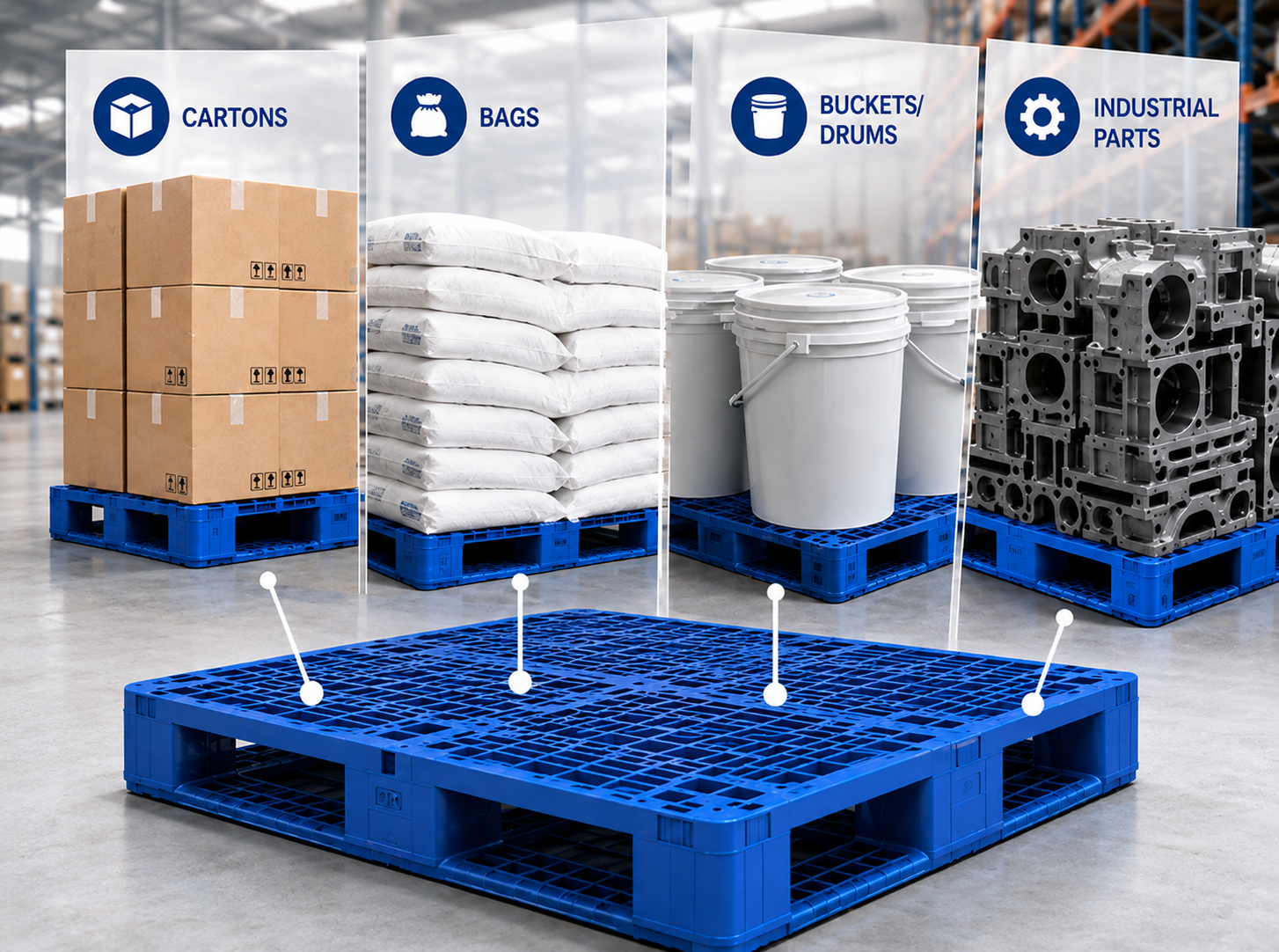
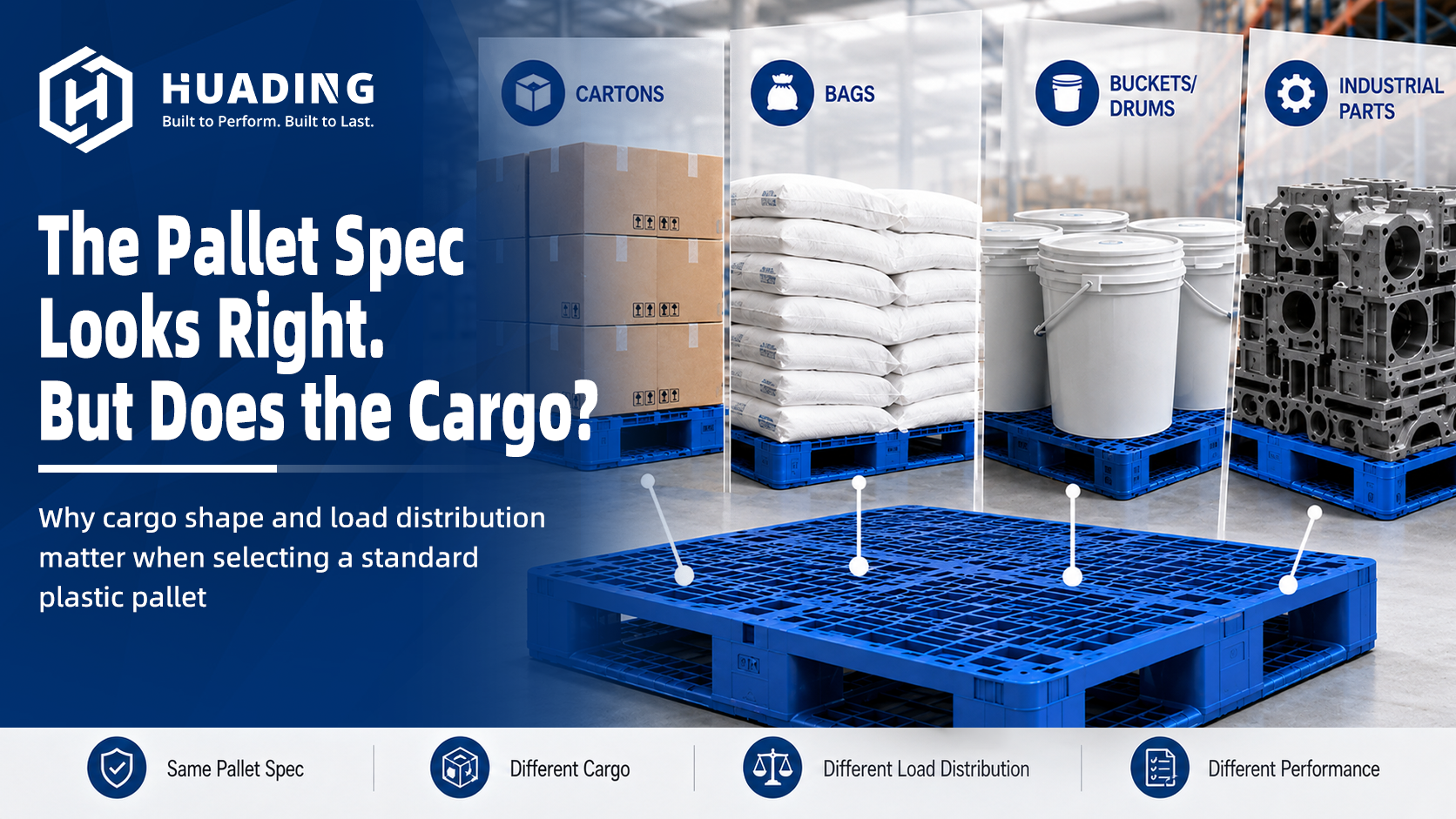
Take several unit loads with a similar total weight. If a purchasing specification records only pallet size and total load weight, these applications may look very similar on paper:
Spread across most of the pallet deck — potentially broad and even contact area, depending on how the first layer is arranged.
Stacked in multiple layers — bags may deform, settle or create uneven contact. "Distributed weight" on paper does not always mean uniform contact in practice.
Positioned at defined contact areas — load enters the pallet through more concentrated, defined points. Container arrangement and deck contact both matter.
Supported at only a few defined points — a large part may only touch the pallet at two or three positions. Dividing total weight by pallet area tells you very little about the real loading condition.
From the pallet's perspective, these four applications are not the same. The difference is load distribution — and it can affect which deck structure, support configuration and standard pallet type are more appropriate.
The More Useful Question Isn't Only "How Heavy?" — It's "Where Does the Weight Land?"
This becomes clearer when you work through each cargo type. The same question applies in each case: how does the first layer — or the product itself — actually make contact with the pallet deck?
Cartons can create a broad and relatively even footprint — but only when the first layer matches the usable pallet area well. If the carton pattern does not align with the deck, the result may be overhang, unsupported zones or inefficient use of the pallet surface. The same total load can therefore interact with the pallet differently depending on how that first layer is arranged.
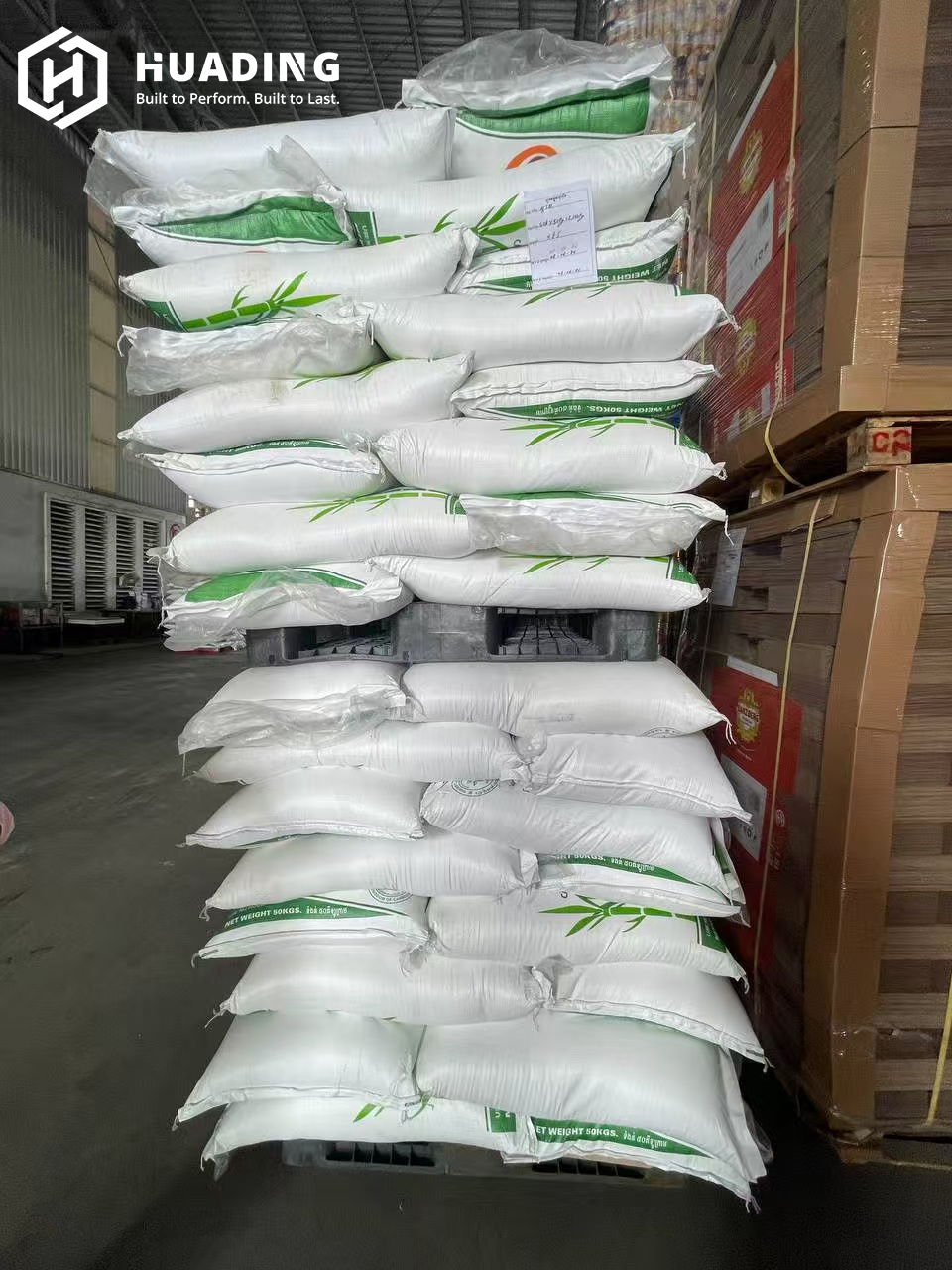
Bagged goods behave differently from rigid cartons. Depending on the product and packing method, bags may deform, settle or create uneven contact with the deck. In one Huading bagged-sugar project in Cambodia, the required load rating alone was not enough to make the selection decision — multi-layer stacking made pallet support and fork-entry stability important factors that only became clear once the actual stacking and support condition was understood.
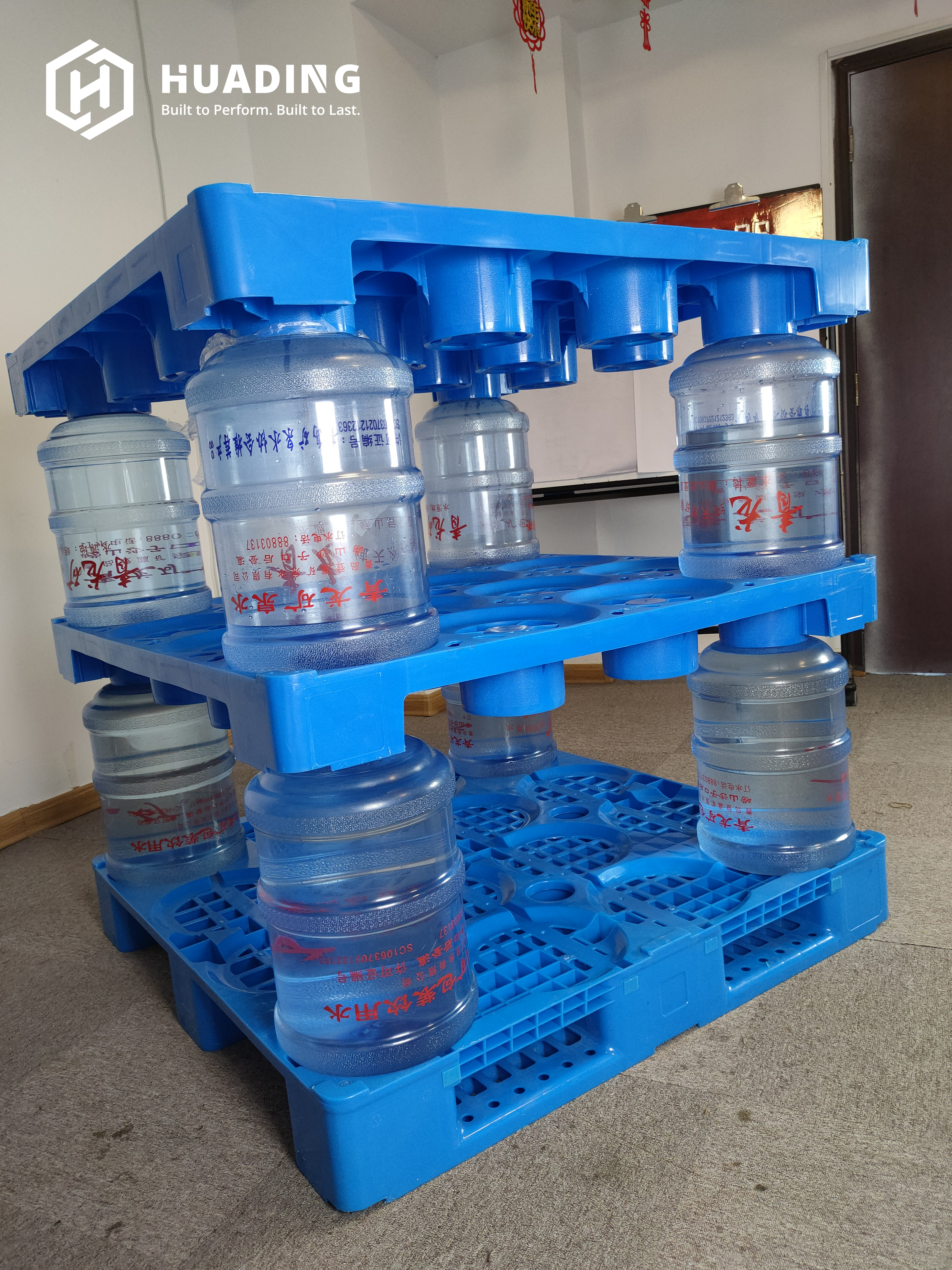
Rigid containers such as drums and buckets often transfer load through more defined contact areas. That makes the relationship between container positions, pallet deck and supporting structure more important — and why Huading also evaluates container arrangement and deck contact when helping customers select pallets for water-bucket handling applications.
Irregular industrial parts can create an even more concentrated condition. A large part may only touch the pallet at two, three or several defined support points. In this situation, dividing the total cargo weight by the pallet area tells you very little about how the pallet is actually being loaded.
This Is Often Where a Standard Selection Process Breaks Down
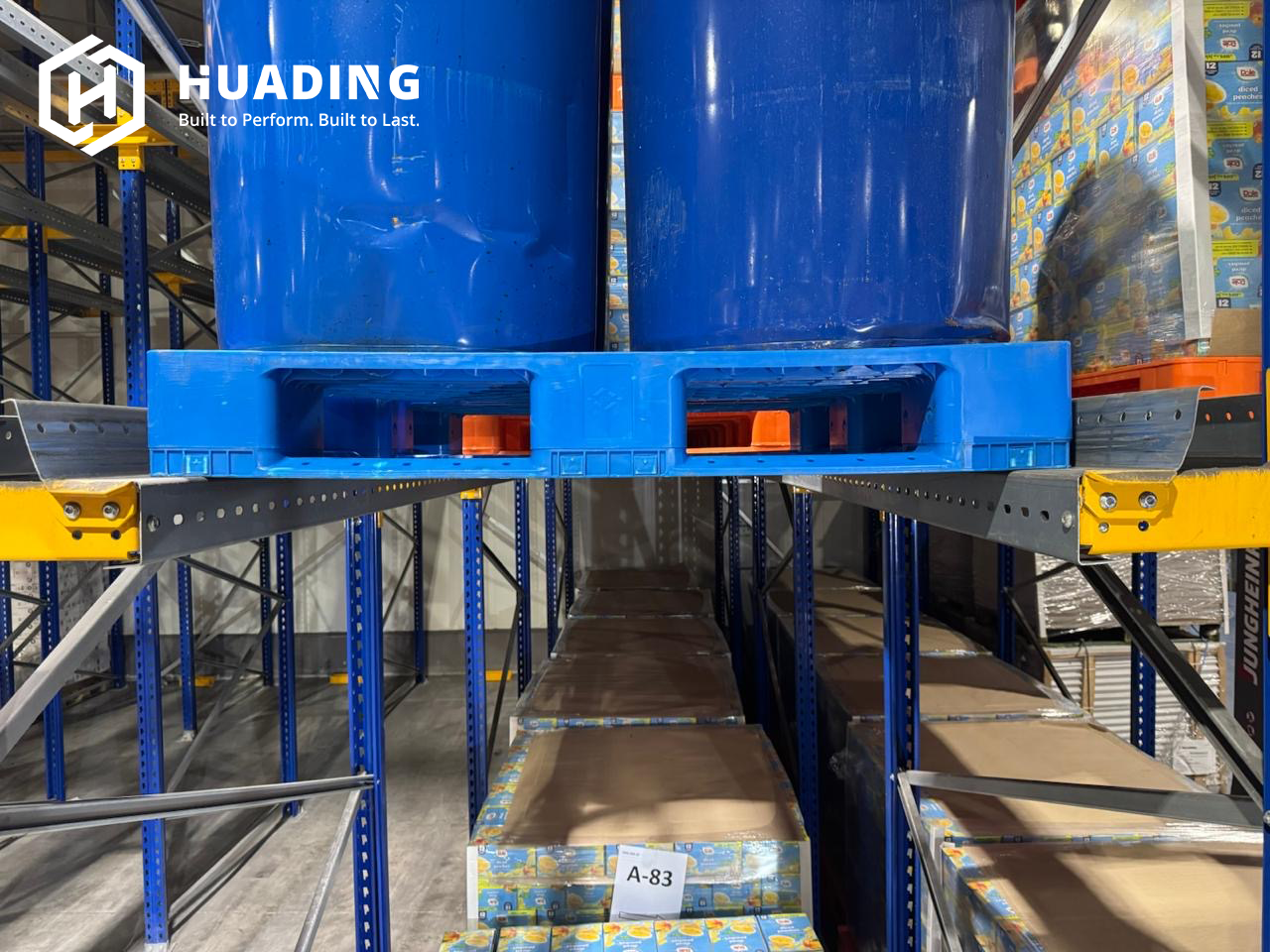
The issue usually does not appear while someone is comparing catalog pages. It appears later — once the actual cargo is loaded. A team may select a pallet based mainly on dimensions and total weight, only to discover that the real cargo footprint, support points or stacking condition do not match what was assumed during selection.
This is why cargo contact area deserves more attention in plastic pallet selection. Not because every project needs a custom solution — most do not. But because even when choosing from standard plastic pallet options, the supplier still needs enough information to match the application to the appropriate structure.
Load Stability and Storage Method Belong in the Same Conversation
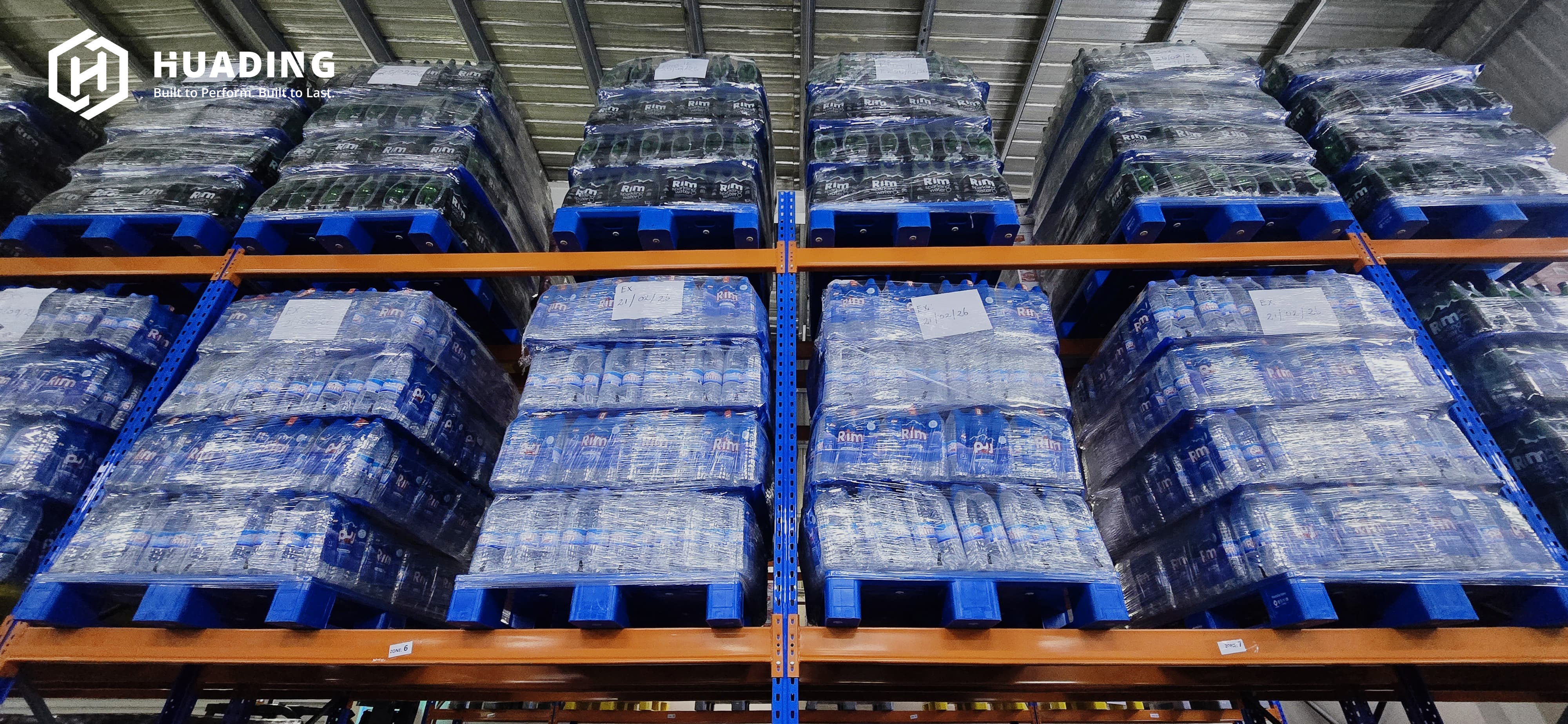
The pallet is not only carrying vertical weight — it is the base of the complete unit load. That means cargo stability and what happens after the pallet is loaded both belong in the same conversation.
- Can the cartons form a stable first layer?
- Will bags shift or change shape during handling?
- Do drums or buckets maintain consistent contact with the deck?
- Does the cargo extend beyond the pallet footprint?
- Are stretch wrap, strapping or other securing methods involved?
- Floor storage, stacking or racking?
- Which fork-entry directions are required?
- Forklift, pallet truck or other handling method?
- Internal warehouse use or transport and distribution?
- What does the actual loaded unit look like?
What a Useful Pallet Brief Should Include
If a buyer sends only "I need a 1200 × 1000 pallet for this load" — there is still a lot that remains unknown. A more useful pallet brief includes:
The Standard Pallet Isn't the Problem. The Selection Logic Is.
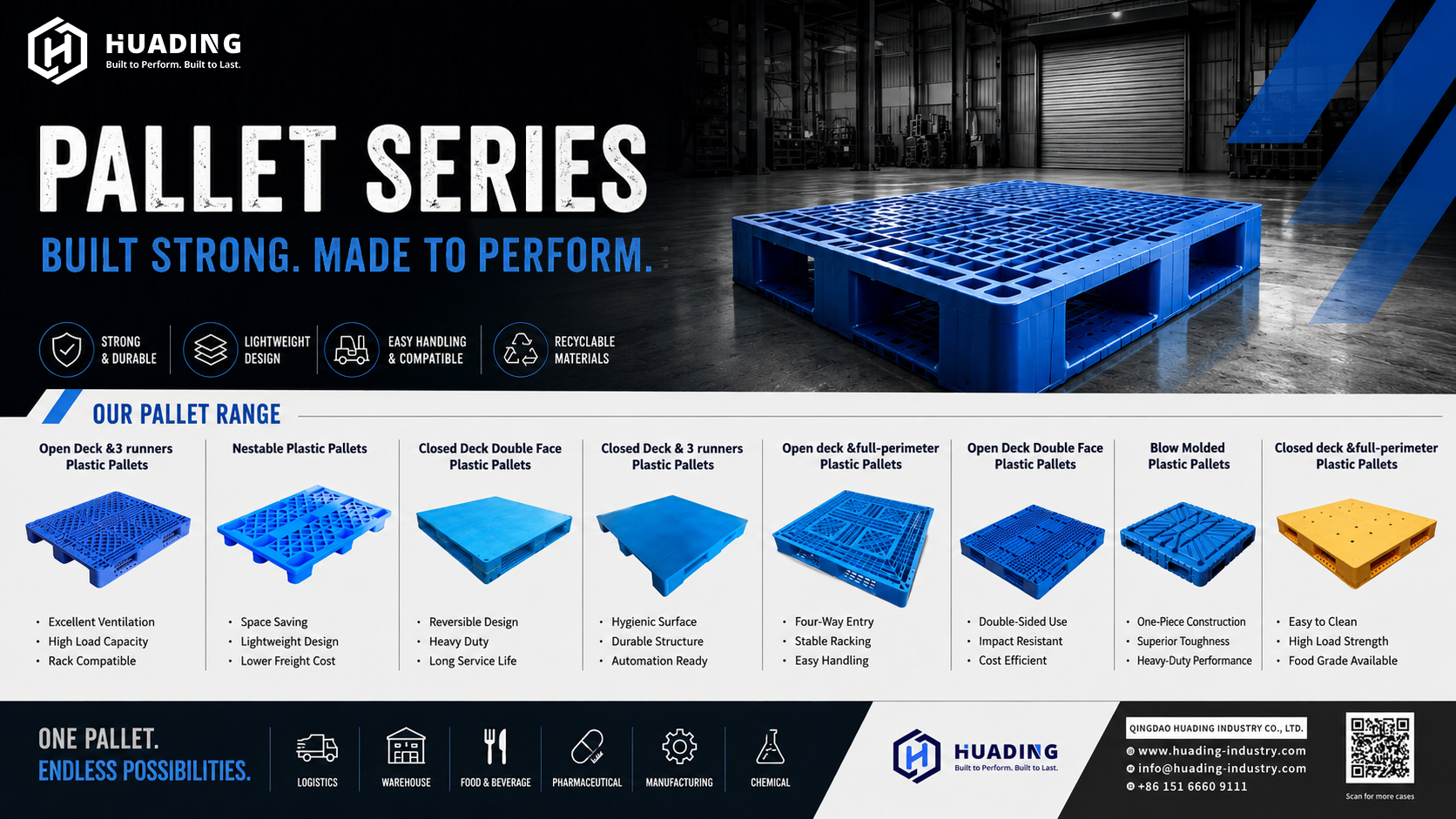
Standardization is still the right direction for many warehouse, logistics and factory-handling applications. The point is not that every cargo requires custom engineering — it doesn't. The point is that standard does not mean interchangeable.
Two applications can ask for the same pallet dimensions and similar load capacity while placing very different demands on the pallet once the cargo is loaded. The more accurate selection sequence:
Instead of: Pallet size → load rating → purchase
When you approve a pallet specification, are you only checking the number on the sheet — or are you checking how the cargo will actually behave once it is loaded?
Evaluating a Plastic Pallet for Your Cargo?
Send Huading your cargo type, required pallet size, loaded weight, cargo footprint and storage method.
We can help you narrow down the suitable standard pallet options before the pallet reaches the warehouse floor.
Contact Us →