


A product leaves the factory after inspection. Its dimensions are confirmed. Its appearance is checked. Its structure meets the required specifications. The shipment is approved. But is the quality journey really complete?
For many industrial buyers, quality evaluation starts and ends inside the factory. Once a product meets specification, the shipment is approved and the quality discussion often comes to an end. However, industrial packaging does not operate only in a controlled production environment.
After leaving the factory, reusable packaging products still need to experience the full logistics journey ahead of them. The real challenge is not only manufacturing a qualified product — it is ensuring that the product continues to perform reliably throughout the entire supply chain.
Quality Does Not End After Production
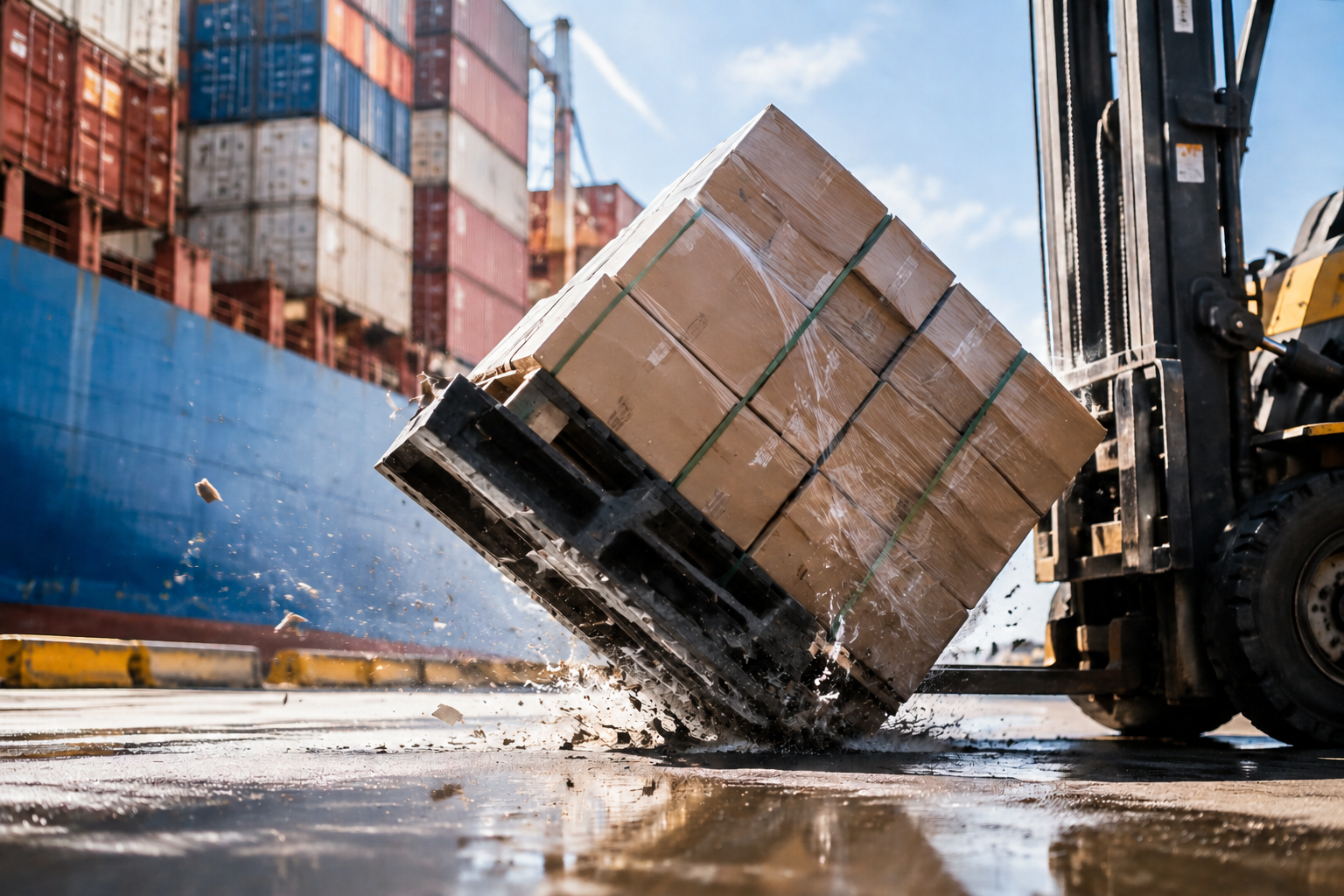
Traditional quality control remains essential. Material consistency, dimensional accuracy, structural performance, and production stability are all fundamental factors in industrial packaging. But for reusable logistics packaging, these factors represent only the beginning of the product journey.
Unlike single-use packaging, returnable packaging is designed for repeated handling cycles. During real operations, products encounter variables that cannot always be fully represented during factory inspection:
For industrial packaging suppliers, the more meaningful question is not only: "Does this product meet the specification?" It is: "Can this product continue performing reliably after it leaves our factory?"
A Real Delivery Feedback Revealed a Bigger Question
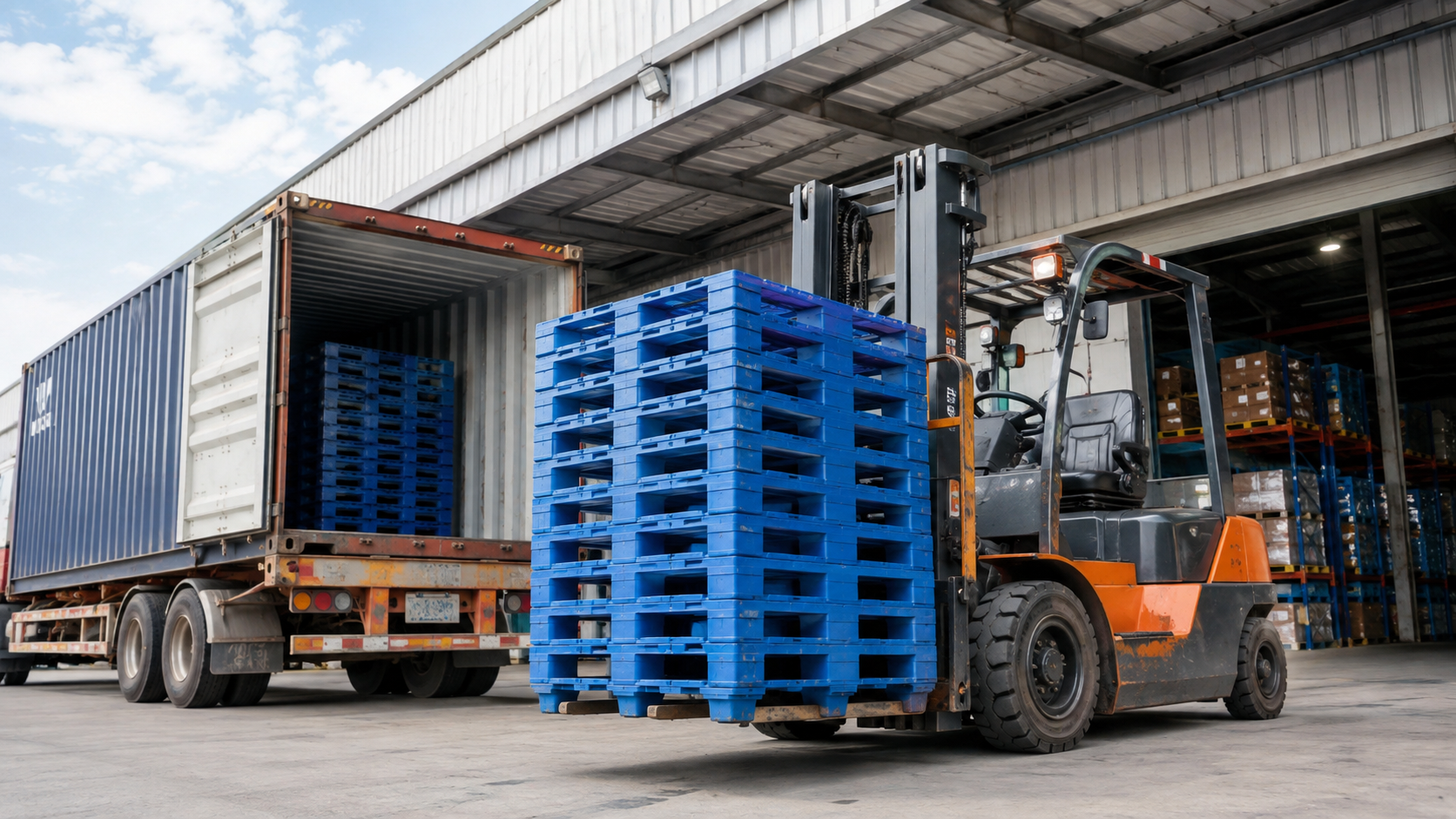
This is not only a theoretical discussion. In a recent overseas bulk shipment, feedback was received regarding a plastic pallet with steel reinforcement structures. After long-distance transportation, some internal steel tubes had shifted from their original position.
- Reinforcement fixation structure and assembly conditions at the point of manufacture
- Transportation vibration accumulated during long-distance movement
- Impact forces during loading and unloading across the transport chain
- Changes in handling methods caused by increased product weight after reinforcement
This is how industrial packaging challenges typically appear in real supply chain environments — involving multiple factors across design, transportation, and operation. They are rarely as simple as labeling a product as either "defective" or "acceptable."
Bulk Orders Test More Than Product Quality
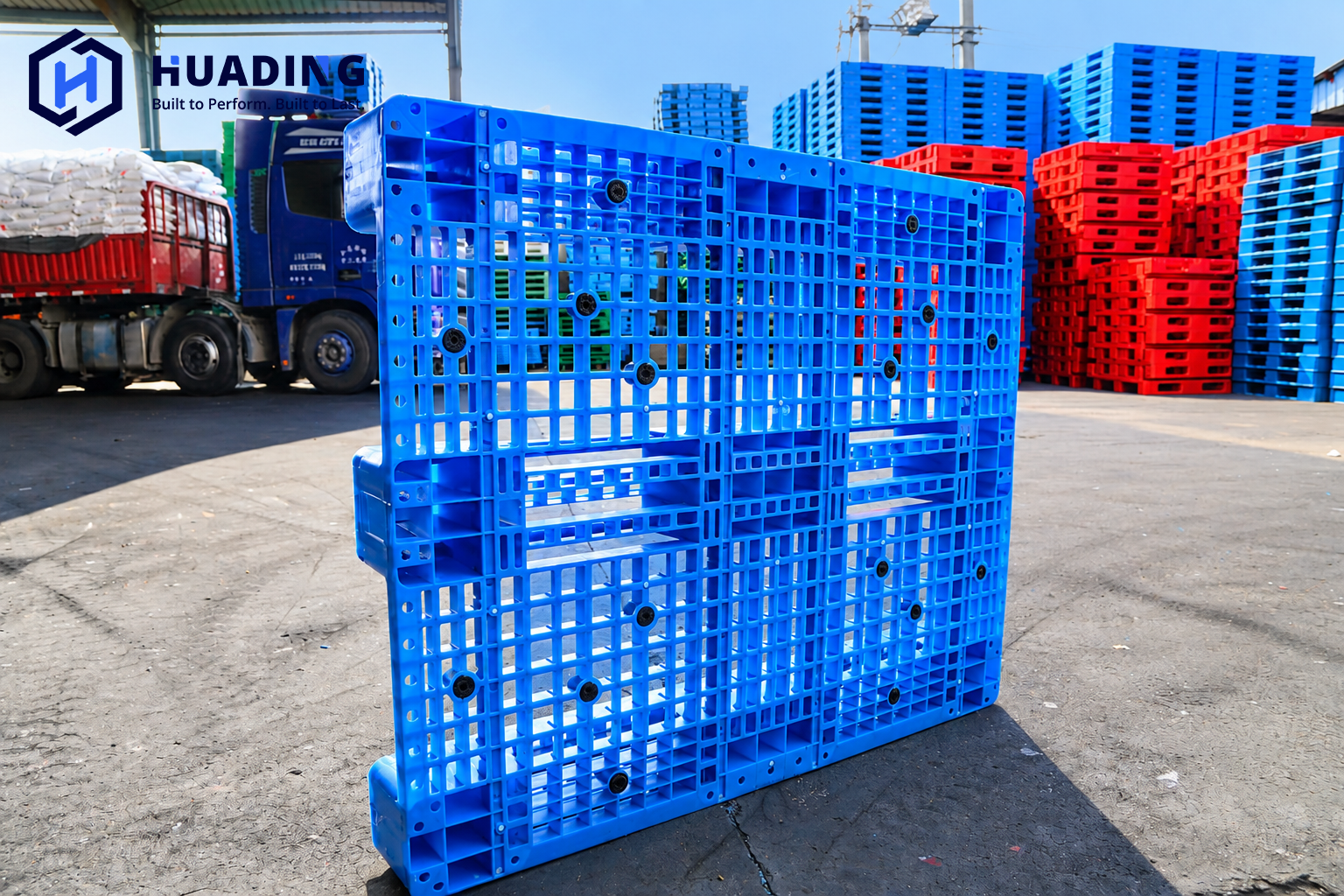
Proves that a product can work — under controlled conditions, with focused production attention.
Proves whether a supplier can consistently deliver the same performance at scale, across full production volumes and multiple batches.
When customers purchase industrial packaging in large quantities, they are not only purchasing individual pallets or containers — they are evaluating a supplier's overall capability across three dimensions:
The Same Packaging Can Face Different Challenges in Different Applications
Packaging performance cannot be separated from its application environment. The same pallet may have completely different requirements depending on where and how it is used:
- Dimensional accuracy
- Automation compatibility
- Load stability during movement
- Loaded weight
- Handling convenience
- Operational safety
- Stacking stability
- Transportation durability
- Multi-stage protection
Reliable Suppliers Manage Risks, Not Just Products
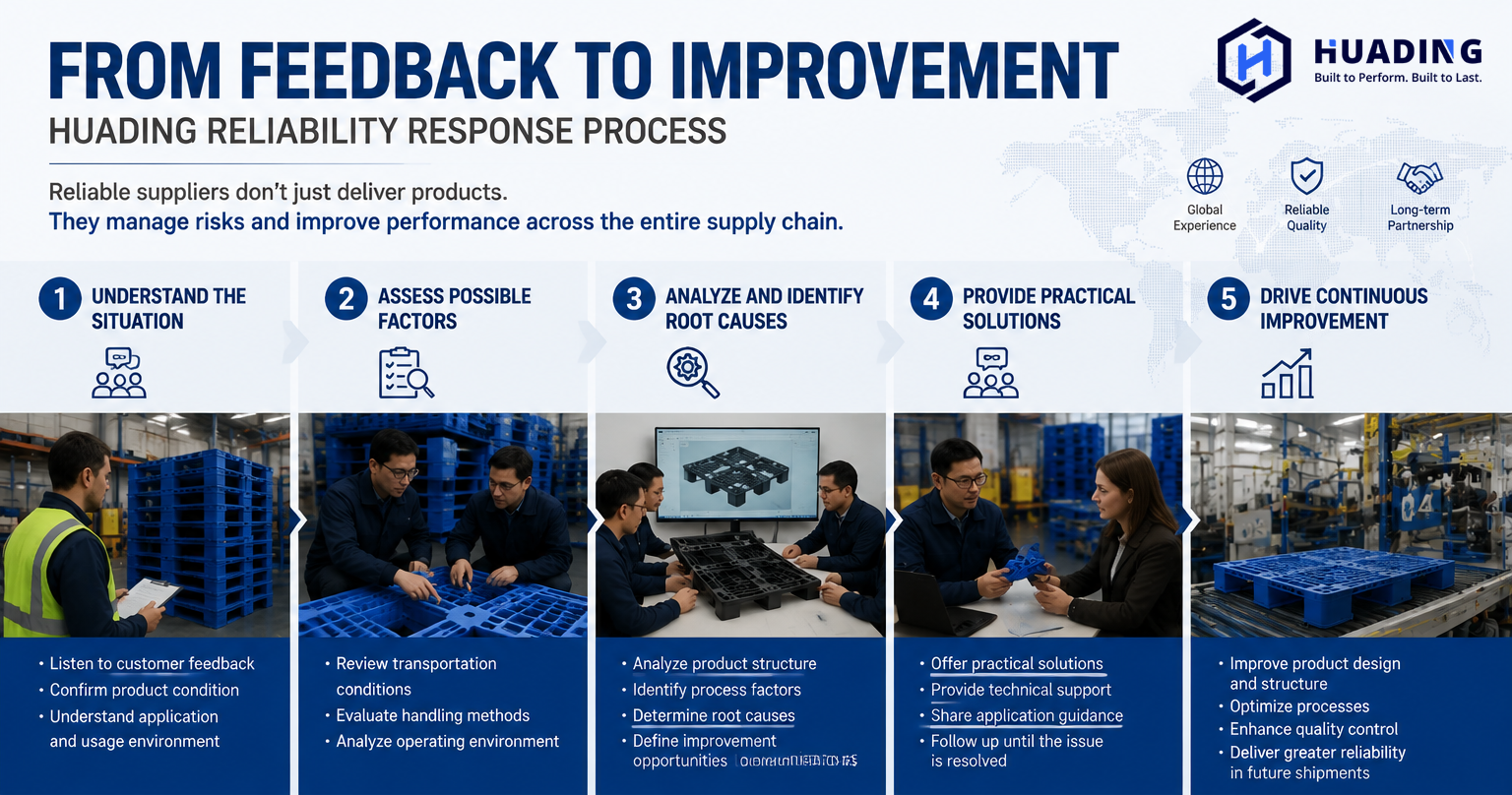
No supplier can realistically promise that unexpected situations will never occur. Real supply chains involve too many variables — transportation conditions, operating environments, and human factors can all influence product performance.
A mature supplier is not defined by avoiding every possible challenge. It is defined by how effectively it responds when challenges appear:
Questions Buyers Should Ask Before Choosing a Supplier
Price matters when selecting an industrial packaging supplier. But it should not be the only consideration. These four questions reveal much more about supplier capability:
Evaluating a Plastic Pallet Supplier?
Huading supplies plastic pallets, foldable containers, pallet boxes, and reusable industrial packaging for global buyers.
With 20 years of production experience and clients including Volvo, Hisense, and Great Wall Motors, Huading combines stable manufacturing with application-based quality thinking.
Contact Us →