Views: 78 Author: Site Editor Publish Time: 2026-07-15 Origin: Site

A pallet may look like one of the simplest decisions in a supply chain. In practice, it is not. It is the physical interface between your goods and everything that moves them — the forklift that lifts them, the truck that carries them, the warehouse that stores them, and the next order that has to match the last one. When that interface is inconsistent, the cost shows up on every shipment, every reorder, and every automated line it touches.
This is why standardized plastic pallets matter. They do more than reduce unit cost — they build a more stable logistics base across four areas that decide whether a cross-border supply chain runs smoothly, or quietly leaks cost.
| 01 Equipment Compatibility | 02 Total Logistics Cost | 03 Automation Stability | 04 Repeat Order Consistency |
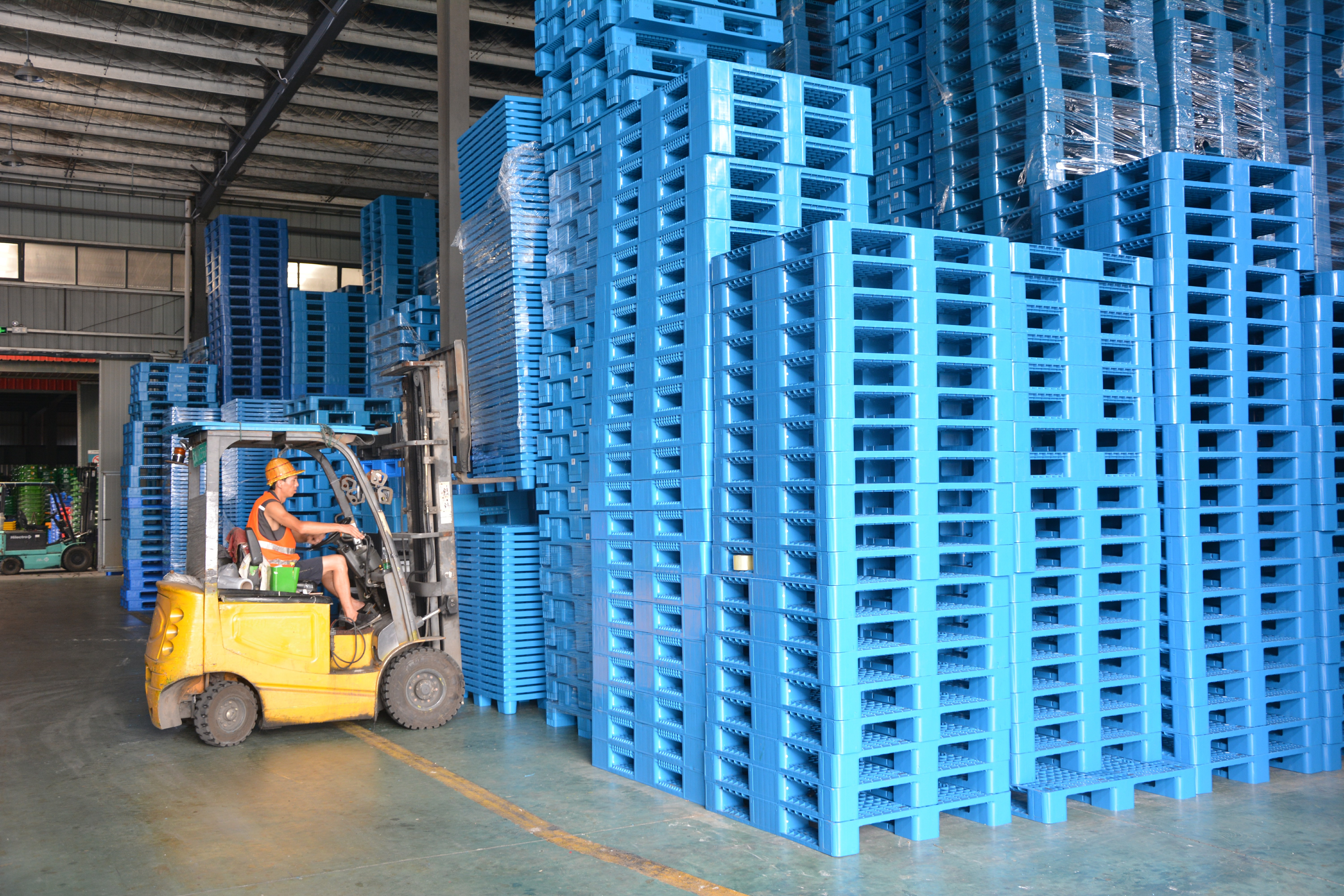
Forklifts, pallet trucks, containers, racking systems, conveyor lines — all of it rests on one basic condition: the pallet needs to fit. When it doesn't, nothing fails all at once. It just gets slower, one lift at a time, until slower becomes the baseline.
Forklift operators need extra time to align the forks. Warehouse teams adjust stacking layouts around pallets that don't quite match. Container loading takes more planning than it should. Automated or semi-automated handling systems carry more mismatch risk than anyone budgeted for. A standardized plastic pallet removes these exceptions instead of managing around them.
For cross-border logistics, this becomes even more important. Three major format standards coexist across global markets:
| Market | Standard Format | Common Application |
|---|---|---|
| North America | GMA pallet 48 × 40 inches | Retail, grocery, general freight |
| Europe | EUR/EPAL 1200 × 800 mm | Cross-border trade, food, FMCG |
| Asia / Industrial | 1200 × 1000 mm | Industrial, export, heavy goods |
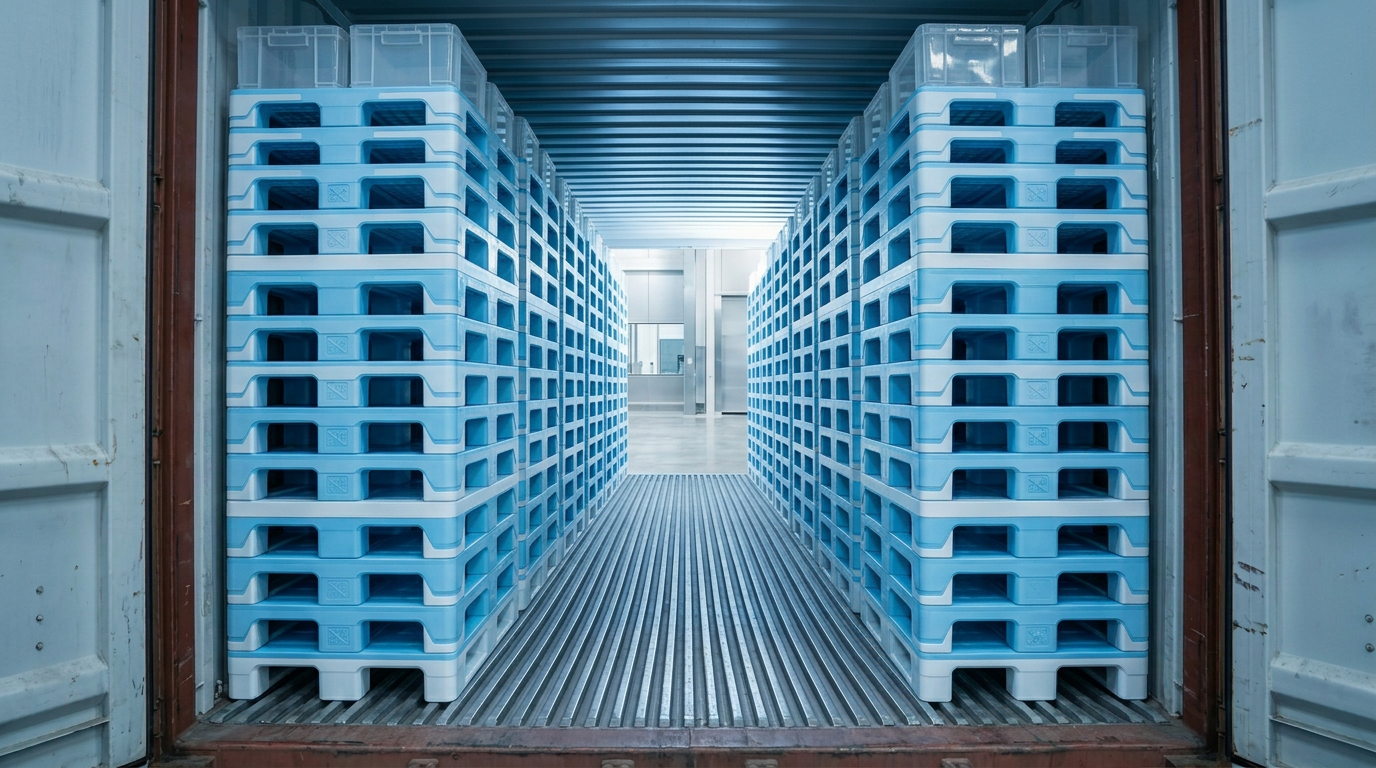
The unit price on a pallet quotation is the easiest number to compare. It is also not the full cost.
| 90%+ Container & truck loading efficiency with standardized pallet sizing | 15–25% Typical space loss when pallet dimensions are inconsistent |
Less wasted space means fewer trucks for the same volume of goods — a difference that never shows up until the freight bill does. The same logic applies to damage: uniform, stackable pallets keep loads stable during storage and transport; mixed or non-standard pallets shift, crush, and contaminate, and every damaged shipment becomes a replacement, a credit dispute, an inspection delay, or a customer who starts looking elsewhere.
Reusable plastic pallets close the loop further. Instead of being treated as single-use packaging, they support repeated circulation across dozens of logistics cycles — cutting the repeat-purchase pressure and long-term waste that disposable packaging quietly locks buyers into.
Automation runs on consistency. Automated storage and retrieval systems, stacker cranes, conveyor lines, and sorting equipment are all designed around fixed dimensions and predictable handling conditions.
| Standardized Pallets Enable
| Out-of-Spec Pallets Cause
|
A pallet that drifts outside spec doesn't cause a small problem — it causes a disproportionate one. Pallet consistency doesn't just protect handling efficiency. It protects the return on an automation investment that's already been made.
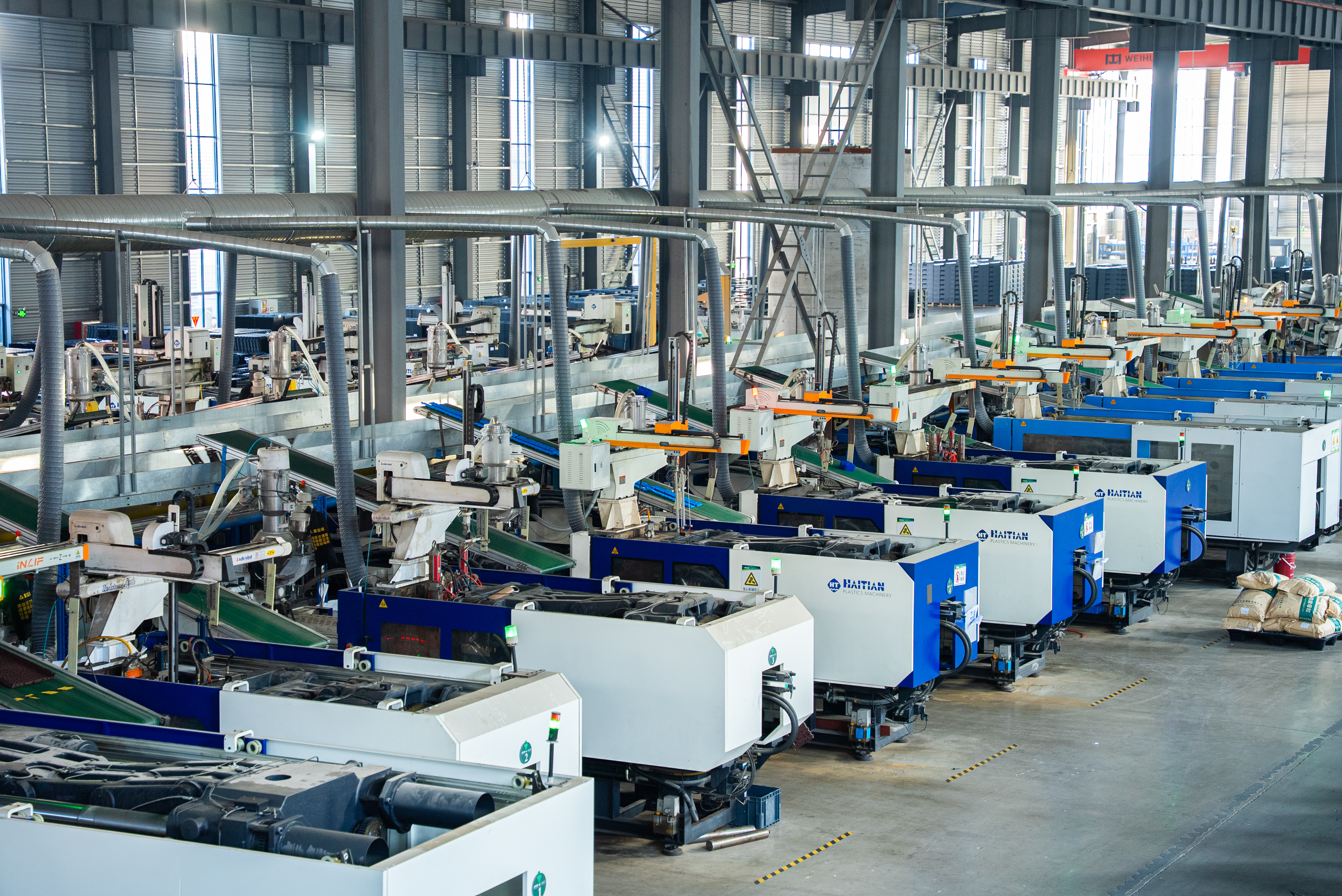
For a B2B buyer, the first order is only part of the decision. The real test is whether the fiftieth order still matches the first one.
A standardized plastic pallet is manufactured from a fixed mold — the same dimensions, structure, and load performance across every production batch. That consistency is what lets a buyer build a sourcing plan around one pallet standard, instead of rechecking compatibility every time volume changes.
Strip away the four categories above and one thread remains: standardized plastic pallets lower total cost — not as a single line item, but as a compounding effect across the entire chain.
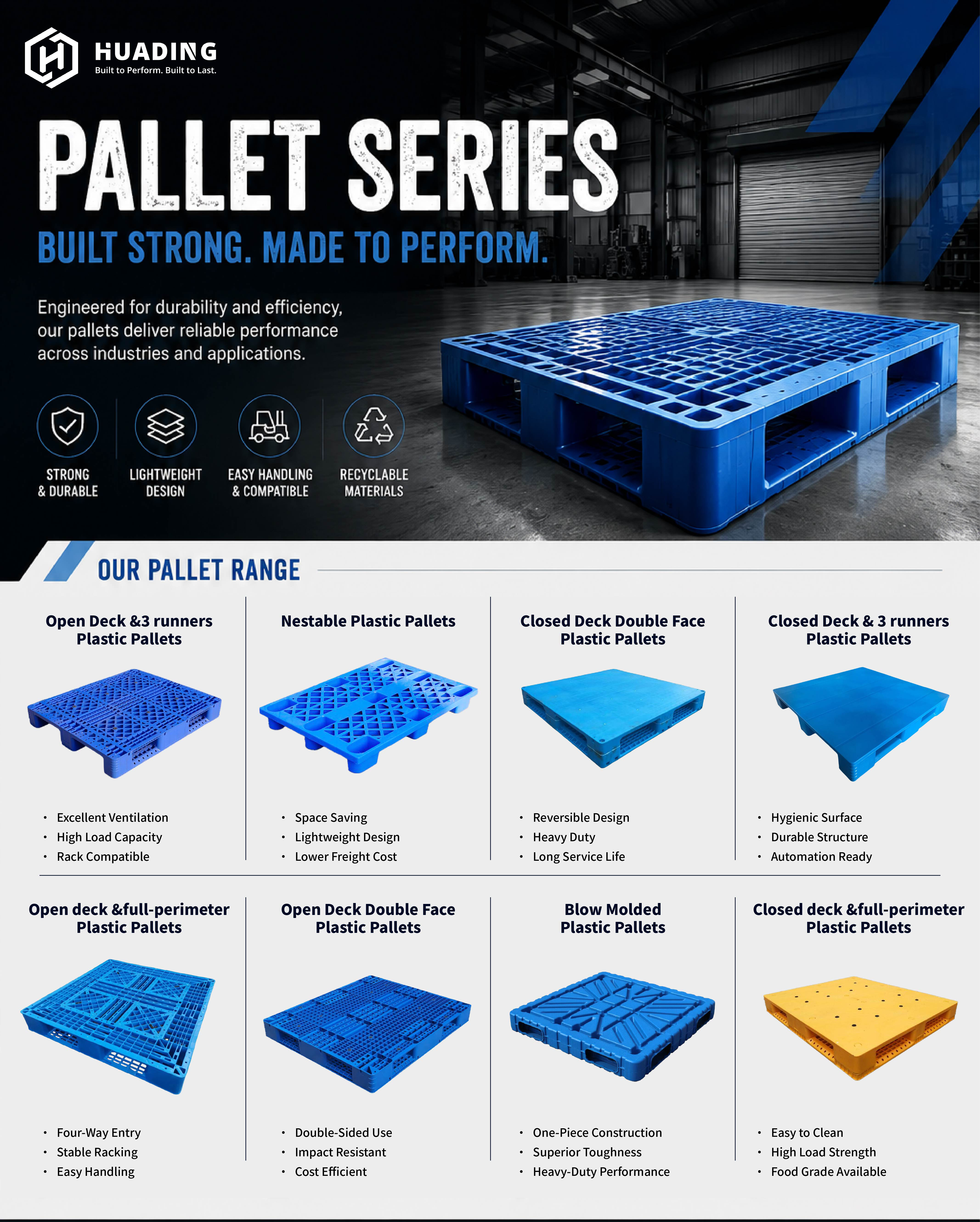
A standardized pallet only delivers on that promise when the supplier behind it can guarantee stable quality, predictable pricing, consistent production, and reliable delivery — order one, order fifty, and every order after.

One more direction worth acting on now, not later.
| EU PPWR Timeline | Requirement |
|---|---|
| 2025 | EU Packaging and Packaging Waste Regulation (PPWR) entered into force |
| August 12, 2026 | PPWR applies — transport packaging requirements begin |
| From 2030 | Reuse targets introduced for certain transport and sales packaging categories, including pallets used within reuse systems |
This doesn't mean every pallet decision carries the same compliance requirement. But it does confirm the direction the market is moving: transport packaging is shifting toward reuse, durability, traceability, and stronger lifecycle responsibility. Reusable plastic pallets already fit that direction better than one-way pallets or temporary packaging systems.
Don't wait for the gap to show up on an invoice you can't explain.
Share your equipment specs, order volume, and shipping lanes with us. Huading can help you evaluate a standardized pallet program that reduces hidden cost — across equipment compatibility, logistics efficiency, automation stability, and repeat-order consistency.
Contact Us →
